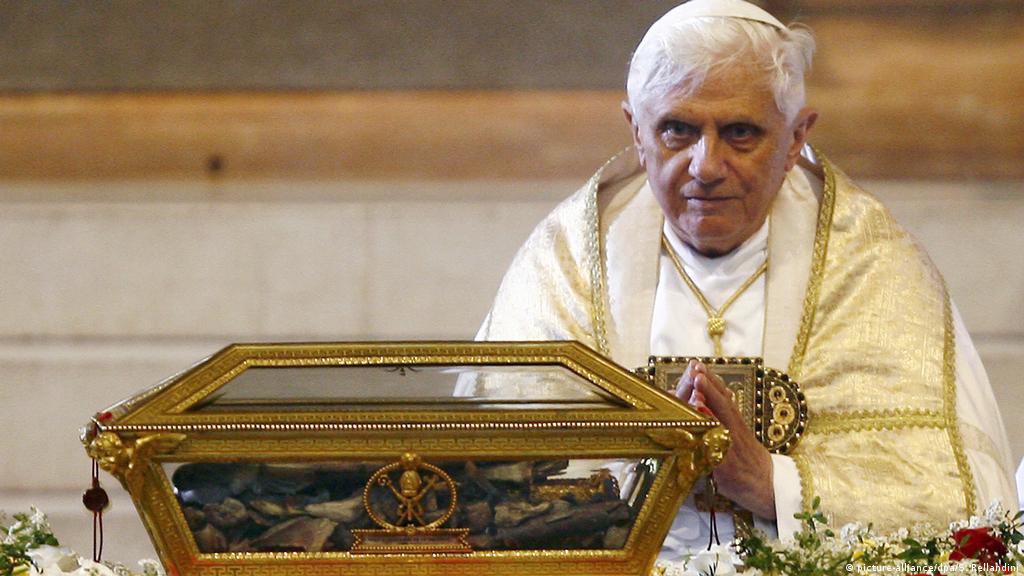
 We are reproducing parts of the speech by then Pope Benedict XVI, during a general audience dated 10 October 2012. This is important in the context of the current quarrels between different traditional Catholics in Malta. They range from Novus Ordo conservatives, to SSPX symphatisers to sedevacantists and even outright Conclavists. The latter, in particular, are known to be very active lately.
"We have reached the eve of the day on which we will celebrate the fiftieth anniversary of Vatican Council II and the beginning of the Year of Faith. And it is about the great ecclesial event of the Council that I wish to speak.
The documents of Vatican Council II are, even in our own time, a compass guiding the ship of the Church as she sails on the open seas, amidst tempests or peaceful waves, to reach her destination. ... I was able to witness the living Church ... which places herself at the school of the Holy Spirit, the true driving force behind the Council. Rarely in history has it been possible, as it was then, to touch almost physically the universality of the Church at a moment of peak fulfilment of her mission to carry the Gospel into all ages and unto the ends of the earth.
In Church history Vatican II was preceded by many other Councils such as Nicea, Ephesus, Chalcedon and Trent. In general though, they met to define fundamental elements of the faith, and particularly to the correct errors endangering that faith. This was not the case with Vatican Council II, because at that time there were no particular errors of the faith to correct and condemn, nor were there specific questions of doctrine and discipline to be clarified. ... The first question that arose during the preparation of this great event was how to begin, what task to give it. Blessed John XXIII in his opening address of 11 October fifty years ago gave some general guidelines: the faith had to speak with a 'renewed' and more incisive voice, because the world was changing rapidly, but it had to maintain its perennial message intact, without giving way or compromising.
The Pope wanted the Church to reflect upon her faith and upon the truths that guide her. But that serious and profound reflection ... had to be the starting point for a new relationship between the Church and the modern age, between Christianity and certain essential elements of modern thought, not in order to seek conformity, but to show our world, which tends to distance itself from God, the requirements of the Gospel in all its greatness and purity.
The age in which we live continues to be marked by forgetfulness and deafness towards God. I believe, then, that we must learn the simplest and most fundamental lesson of the Council: that the essence of Christianity consists in faith in God, ... and in the individual and community encounter with Christ Who guides our lives. ... The important thing today, as was the desire of the Council Fathers, is for us to see - clearly and anew - that God is present, that He concerns us and responds to us. And when faith in God is lacking our essential foundations give way because man loses his dignity. ... The Council reminds us that the Church ... has the mandate to transmit God's salvific word of love, so that the divine call which contains our eternal beatitude may be heard and accepted.
The four cardinal points of our guiding compass: Sacrosanctum Concilium on the sacred liturgy, which speaks of the centrality of the mystery of Christ's presence in the Church; Lumen Gentium which highlights the Church's fundamental duty to glorify God; Dei Verbum on divine Revelation, which speaks of the living Word of God that unites and animates the Church throughout history, and finally Gaudium et Spes which deals with the way the Church transmits to the world the light it received from God.
Vatican Council II is a powerful appeal to us to make a daily rediscovery of the beauty of our faith, to understand it deeply through a more intense relationship with the Lord, and to live out our Christian vocation to the full".


