One of the dangers of being a traditional Catholic is getting stuck on the superficial (exterior) elements of our Catholic faith and worship. Another danger is getting caught up in the polemic battles with those who are out to destroy us. For this reason, each one of us needs to have a life centered on God through prayer. We love and fight for everything traditional because it protects the divine presence of God in our souls, our families and in our Church.
Here are 10 reminders why to be a traditional Catholics, (lest we forget);
1) To adore, love and serve God in the most dignified way possible in this life on earth. The primary reason we were created was to adore, love and serve God, in this life and in the life to come in heaven. This is what gives meaning to this life and our eternal life.
2) To defend and preserve the Catholic faith in its Ancient Liturgy and Teachings. Lex Orandi (How we pray.) protects Lex credendi (What we believe), that leads to Lex Vivendi (How we live our lives). And this is why we are giving our lives to defend and preserve what was passed on to us from before our time.
3) To obtain a personal union with God through the practice of this ancient Catholic faith. In living a orthodox life and praying in a manner that pleases God, graces are given to us to obtain our final goal, a loving union with God in this life and in the one to come.
4) To grow in holiness in our ordinary daily lives. No matter what we may believe and know about our Catholic faith, what is of paramount importance, is that it will effect our daily lives and how we live it in union with God.
5) To obtaining the graces necessary to fight the devil and our daily temptations. We live in a constant spiritual battle for our own souls, and those around us, against the forces of evil. God has given us the graces necessary through the traditional Latin Mass, Rites and prayers to avail ourselves with great power against the devil and his minions. The devil hates Latin and all that is sacred.
6) To defend Catholic Dogma against heresies and false worship. From the beginning of Christianity there has always been error introduced into the Church. St. Paul writes about the false apostles and those who are against truth in his epistles. And this has been part of the Church’s struggle down to today. We need to realize that heresy will have to be fought up to the last second before Jesus’ return in Glory.
7) To obtain the graces given by God that we need for the salvation of our eternal souls. At every Holy Mass, every Holy Communion, every confession, every time we go to adore Jesus in the Blessed Sacrament, we receive divine graces. Every time we read the Bible, pray the Holy Rosary, we receive more graces (supernatural help from God) to not fall in sin and loose our souls forever in hell.
8) To avoid separation from God, which means eternal damnation and all of its horror. The greatest horror is to be eternally separated from our loving union with God. In living the traditional Catholic life there are many aids to help us on our way to avoid the pits of damnation and to find the spiritual ladders to climb out of the well, if for some terrible reason we may fall into the well of sin.
9) To help as many persons a possible to be saved through Jesus’ redeeming sacrifice. We love God, and we love our neighbor. Out of love, we want to share the tools that God has given to His Church, for salvation of souls. So by preserving and sharing traditional faith, we love our neighbors as ourselves and help them get to heaven.
10) To make it easy to be holy through the natural grandeur and beauty of the Latin Mass, churches, altars and art. The Holy Latin Mass is the “Most Beautiful Thing This Side of Heaven”. When the solemn High Mass is offered, in its beauty, it speaks beyond what human words can express. All over Europe, people from all over the world are awe struck at the grandeur and beauty of the Catholic churches and art. Millions of people wait hours in line just to be able to visit the traditional Sistine Chapel at the Vatican in Rome. Divine liturgy, art and music speak on their own.
There are many more reasons why to choose to be traditional Catholics. But these are some of the essential ones. So, this being stated, the next question is how do we live this traditional Catholic life every day.
1) Love God and Neighbor. Love of God helps us avoid what offends Him. Love of neighbor helps us grow in virtue and is indispensable. Every day we need to work on loving God and asking Him to help us love our family, our friends, strangers and our enemies.
2) Put God first in our personal lives, our family and our work. Priorities, priorities, priorities. Great people always know how to prioritize. We too need to be reminded every day to put God first. With God in the first place, the rest seems to fit together naturally.
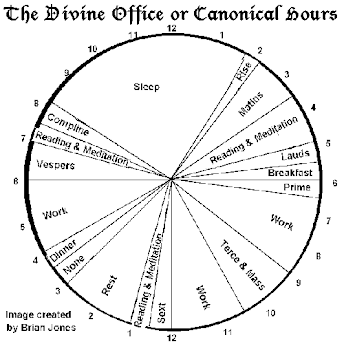
3) Put prayer as the most important activity in your daily routine. Living in this fast pace life, we get caught up in the stream of rushing. We try to keep up with everything that needs to be done everyday. Prayer, then gets put off because it takes discipline and does not come naturally. It is much easier to just go along with the flow, than to put prayer first in our day and our lives. A day that is not started with prayer does not go that well. We always want to put prayer as the most important activity we can do every day. Fight the temptation to put it off till later. Later usually never comes.
4) Be around holy people who support, challenge us and council us on how to be holy. As we see in the Bible, Jesus gathered the apostles, disciples and friends around Him. It is wonderful to know that Jesus knows we need Him, and other holy people, to grow spiritually. We were not meant to be lone rangers. Let us be humbly open to other’s suggestions and constructive criticism, especially from holy priests and religious.
5) Read the Bible and other spiritual classics written by the saints. We have a great guide to help us on our way to heaven, called the Bible. All we have to do is sit down and open it and read it. We have thousands of older brothers and sisters (the saints) who have gone before us and cleared the path to heaven for us. We can walk in their foot prints or try to clear the path on our own. It is a lot safer and easier to follow their path than to re invent the wheel and highway over again. But it will take discipline to read their writings.
6) Attend the Holy Sacrifice of the Mass as often as possible during the week. Graces and encouragement is available at the Holy Mass everyday. If we can only organize our day so that we can make time for this great help, we will be happier and holier for it.
7) Be attentive to the action of God in our ordinary lives as priests, religious and laity. Most of us are just ordinary people trying to be good. The daily life of St. Joseph and Mary in Nazareth was ordinary like ours. We learn from them that the ordinary life is the ordinary way to heaven. So we want to be extraordinary saints through the ordinary life God has given us.
8) Ask God for more faith and a deeper love for Him. Faith and love are supernatural virtues that comes from God that need to be developed. We all need more faith and love. When we have more faith and love, we are able to put our lives (with all its difficulties) in the hands of Our Loving God. So to grow in the virtue of faith, we need to exercise blind believing that God is behind everything that is happening to us (other than sinful actions). To grow in Love we daily ask for the grace to do things out of love and to put love into even the tiniest event and action of our daily routine.
9) Have gratitude for the graces already present in our lives. “The Attitude of Gratitude” is so important to keep us cheerful and steadfast on the way to holiness. Taking time to reflect on what God has done, is doing and will continue to do in the future, helps us in the dry times of our spiritual lives.
10) Have a hatred for sin and anything that would in the slightest way offend God. Loving what God loves and hating what God hates, is a help to stay close to Him. It is very salutary to meditate on the terrible consequences of sin in our past and in the world around us right now. Sin is poison, a virus that kills the body and the soul.
God has been so good to help us live holy, happy and healthy lives. We are so blessed to have these divine treasures in the traditional Catholic Church. Let us protect them and share them with all those who have good will.
We traditionalists know who is in charge after all; God. And for that reason we can relax about all that is going on in the Church and in the world. So, we enjoy each day, loving, adoring, praising and thanking God for His love, protection and goodness.
The original author of this blog passed away in July of 2016. RIP Father Carota.