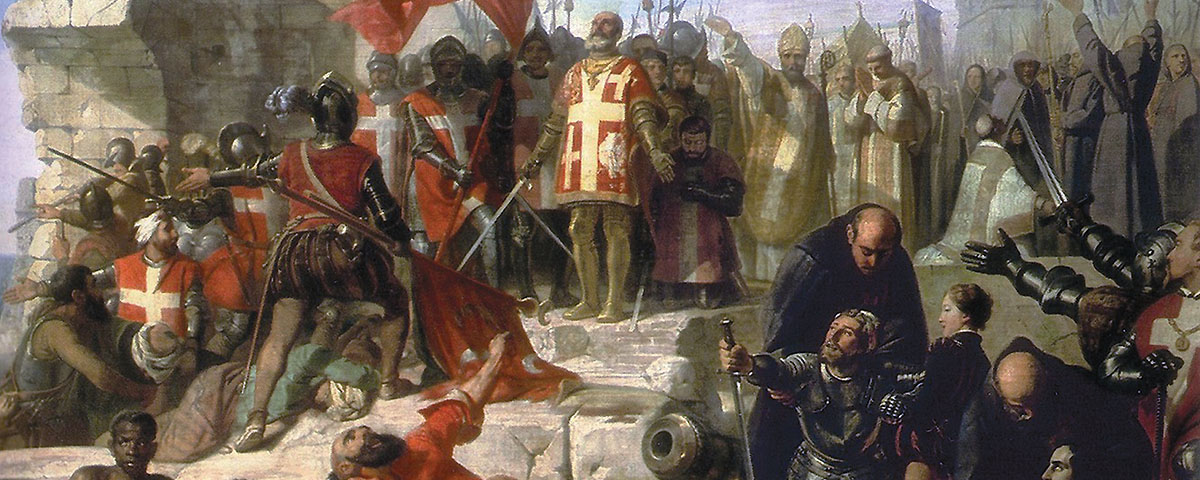
Unconfirmed sources have stated that
Cardinal Raymond Leo Burke,
patron of the Sovereign
Military Order of Malta (previously Prefect of the Apostolic Signatura), was invited to Malta as part of the 450th anniversary of the Great Siege of Malta.
Cardinal Burke is, most probably, the Cardinal who implemented in the best way possible the provisions of Summorum Pontificum. He himself has celebrated several times Mass in the Extraordinary Form of the Roman Rite and is a close friend of the FIUV.
Recently Burke had this to say about the traditional liturgy:
“The Sacred Liturgy is absolutely the first act of the New Evangelization. Unless
we worship God in spirit and in truth, unless we celebrate the Sacred
Liturgy with the greatest possible faith in God and faith in the divine
action which takes place in Holy Mass, we are not going to have the inspiration and the grace to carry out the New Evangelization. […]
If the Sacred Liturgy is celebrated in an anthropocentric way, in
a horizontal way in which it is no longer evident that it is a
divine action, it simply becomes a social activity that can be
relativized along with everything else — it doesn’t have any lasting
impact on one’s life.
I think the celebration of the Extraordinary Form
can have a very significant part to play in the New Evangelization
because of its emphasis on the transcendence of the Sacred Liturgy. In
other words, it emphasizes the reality of the union of Heaven and earth
through the Sacred Liturgy. “
Properly
and beautifully celebrated liturgy is essential to a Catholic college
education, said Cardinal Raymond Burke, who headlined today’s Cardinal
Newman Society event at Sacra Liturgia USA 2015 in New York City.
“If in Catholic education the ultimate goal is to know
Christ as deeply and as profoundly as possible, then it can’t be
otherwise,” he said, recalling the wonderful liturgies on Catholic
campuses until recent decades. On many Catholic campuses, traditional
and reverent liturgy has given way to misguided innovations and musical
variations that are thought to appeal to younger audiences.
Cardinal Burke, patron of the Order of Malta and
ecclesiastical advisor to the Newman Society, led off a panel discussion
on the need for liturgical renewal in Catholic higher education and
ways that Catholic colleges can contribute to renewal of the liturgy in
parishes and schools. The event was held at St. Catherine of Siena
Church in uptown Manhattan as a special part of the Sacra Liturgia
conference, which brought hundreds of priests, seminarians and lay
people together to celebrate and promote sacred liturgy.
Cardinal Burke encouraged Catholic colleges to expose
students to reverent liturgy including the Extraordinary Form of the
Mass. “If this is a form of the Roman Rite it should be accessible to
the faithful,” he said.
He recalled his experience when Archbishop of Saint Louis,
Mo., where he instructed the seminary to implement courses on the
Extraordinary Form of the Mass and begin celebrating it. “And I believe
too, at the universities, that there will be a response [to the
Extraordinary Form],” he said.
Even at colleges like Georgetown University, which has had its share of
Catholic identity problems,
student initiatives to encourage the Extraordinary Form are gathering
momentum, Cardinal Burke said. “I have seen this in other universities
too,” he added.
Cardinal Burke noted that such initiatives, while good for
the Church and students alike, are sometimes opposed. “These are things
that may involve some suffering,” he said.
“But the thing is, if we are doing something that is
beautiful for the glory of God and for the salvation of souls, we’ll
have to persevere in it and not let ourselves be discouraged by people
who do not understand or who might be difficult,” said the Cardinal.
“The Christian liturgy remains the essential source of our
understanding of the faith and of its practice in a good and holy
life,” he said.
Leading the panel discussion, Newman Society President
Patrick Reilly noted that “truth is both the foundation and the
objective of Catholic higher education,” and he related that to the need
for reverent liturgy in light of Cardinal Burke’s keynote address to
the Sacra Liturgia conference the prior evening. Cardinal Burke spoke
of the unity of God’s truth, goodness and beauty—with the latter
essential to sacred art and sacred liturgy. He lamented that, “precisely
because we have lost beauty, we have lost goodness and truth.”
“Since the sacred liturgy is the highest and most perfect
expression of our life in Christ, we rightly turn to the sacred rites in
order to understand more deeply the holiness of the Christian life in
all its aspects,” Cardinal Burke said. Yet, in recent years, the
attention to liturgy hasn’t always been what it should have been, he
continued.
Cardinal Burke explained:
The pursuit of truth is a particular challenge in our
world, which has in great part lost any sense of truth and of the source
of truth in God. The sacred liturgy is the participation on earth in
the heavenly wedding feast of the Lamb who alone conquers evil.
...Beauty is revealed most perfectly in the sacred
liturgy. The liturgy is inherently linked to beauty. It is a radiant
expression of the Paschal Mystery in which Christ draws us to himself
and calls us to communion. We contemplate beauty and splendor at its
source. It enables us to emerge from ourselves and drawing us to our
true vocation which is love.
...The time has come to re-propose to all Christians this
high standard of ordinary Christian life. Our brothers and sisters will
discover the great beauty of their own holy life. That beauty is most
evident in our participation in the sacred liturgy.
-
See more at:
http://www.cardinalnewmansociety.org/CatholicEducationDaily/DetailsPage/tabid/102/ArticleID/4225/Cardinal-Burke-Reverent-Liturgy-Essential-to-Catholic-College-Education.aspx#sthash.Rzn3UOL3.dpuf
“If
in Catholic education the ultimate goal is to know Christ as deeply and
as profoundly as possible, then it can’t be otherwise,” he said,
recalling the wonderful liturgies on Catholic campuses until recent
decades. On many Catholic campuses, traditional and reverent liturgy has
given way to misguided innovations and musical variations that are
thought to appeal to younger audiences. - See more at:
http://www.cardinalnewmansociety.org/CatholicEducationDaily/DetailsPage/tabid/102/ArticleID/4225/Cardinal-Burke-Reverent-Liturgy-Essential-to-Catholic-College-Education.aspx#sthash.Rzn3UOL3.dpuf
Properly
and beautifully celebrated liturgy is essential to a Catholic college
education, said Cardinal Raymond Burke, who headlined today’s Cardinal
Newman Society event at Sacra Liturgia USA 2015 in New York City.
“If in Catholic education the ultimate goal is to know
Christ as deeply and as profoundly as possible, then it can’t be
otherwise,” he said, recalling the wonderful liturgies on Catholic
campuses until recent decades. On many Catholic campuses, traditional
and reverent liturgy has given way to misguided innovations and musical
variations that are thought to appeal to younger audiences.
Cardinal Burke, patron of the Order of Malta and
ecclesiastical advisor to the Newman Society, led off a panel discussion
on the need for liturgical renewal in Catholic higher education and
ways that Catholic colleges can contribute to renewal of the liturgy in
parishes and schools. The event was held at St. Catherine of Siena
Church in uptown Manhattan as a special part of the Sacra Liturgia
conference, which brought hundreds of priests, seminarians and lay
people together to celebrate and promote sacred liturgy.
Cardinal Burke encouraged Catholic colleges to expose
students to reverent liturgy including the Extraordinary Form of the
Mass. “If this is a form of the Roman Rite it should be accessible to
the faithful,” he said.
He recalled his experience when Archbishop of Saint Louis,
Mo., where he instructed the seminary to implement courses on the
Extraordinary Form of the Mass and begin celebrating it. “And I believe
too, at the universities, that there will be a response [to the
Extraordinary Form],” he said.
Even at colleges like Georgetown University, which has had its share of
Catholic identity problems,
student initiatives to encourage the Extraordinary Form are gathering
momentum, Cardinal Burke said. “I have seen this in other universities
too,” he added.
Cardinal Burke noted that such initiatives, while good for
the Church and students alike, are sometimes opposed. “These are things
that may involve some suffering,” he said.
“But the thing is, if we are doing something that is
beautiful for the glory of God and for the salvation of souls, we’ll
have to persevere in it and not let ourselves be discouraged by people
who do not understand or who might be difficult,” said the Cardinal.
“The Christian liturgy remains the essential source of our
understanding of the faith and of its practice in a good and holy
life,” he said.
Leading the panel discussion, Newman Society President
Patrick Reilly noted that “truth is both the foundation and the
objective of Catholic higher education,” and he related that to the need
for reverent liturgy in light of Cardinal Burke’s keynote address to
the Sacra Liturgia conference the prior evening. Cardinal Burke spoke
of the unity of God’s truth, goodness and beauty—with the latter
essential to sacred art and sacred liturgy. He lamented that, “precisely
because we have lost beauty, we have lost goodness and truth.”
“Since the sacred liturgy is the highest and most perfect
expression of our life in Christ, we rightly turn to the sacred rites in
order to understand more deeply the holiness of the Christian life in
all its aspects,” Cardinal Burke said. Yet, in recent years, the
attention to liturgy hasn’t always been what it should have been, he
continued.
Cardinal Burke explained:
The pursuit of truth is a particular challenge in our
world, which has in great part lost any sense of truth and of the source
of truth in God. The sacred liturgy is the participation on earth in
the heavenly wedding feast of the Lamb who alone conquers evil.
...Beauty is revealed most perfectly in the sacred
liturgy. The liturgy is inherently linked to beauty. It is a radiant
expression of the Paschal Mystery in which Christ draws us to himself
and calls us to communion. We contemplate beauty and splendor at its
source. It enables us to emerge from ourselves and drawing us to our
true vocation which is love.
...The time has come to re-propose to all Christians this
high standard of ordinary Christian life. Our brothers and sisters will
discover the great beauty of their own holy life. That beauty is most
evident in our participation in the sacred liturgy.
-
See more at:
http://www.cardinalnewmansociety.org/CatholicEducationDaily/DetailsPage/tabid/102/ArticleID/4225/Cardinal-Burke-Reverent-Liturgy-Essential-to-Catholic-College-Education.aspx#sthash.Rzn3UOL3.dpuf
Properly
and beautifully celebrated liturgy is essential to a Catholic college
education, said Cardinal Raymond Burke, who headlined today’s Cardinal
Newman Society event at Sacra Liturgia USA 2015 in New York City.
“If in Catholic education the ultimate goal is to know
Christ as deeply and as profoundly as possible, then it can’t be
otherwise,” he said, recalling the wonderful liturgies on Catholic
campuses until recent decades. On many Catholic campuses, traditional
and reverent liturgy has given way to misguided innovations and musical
variations that are thought to appeal to younger audiences.
Cardinal Burke, patron of the Order of Malta and
ecclesiastical advisor to the Newman Society, led off a panel discussion
on the need for liturgical renewal in Catholic higher education and
ways that Catholic colleges can contribute to renewal of the liturgy in
parishes and schools. The event was held at St. Catherine of Siena
Church in uptown Manhattan as a special part of the Sacra Liturgia
conference, which brought hundreds of priests, seminarians and lay
people together to celebrate and promote sacred liturgy.
Cardinal Burke encouraged Catholic colleges to expose
students to reverent liturgy including the Extraordinary Form of the
Mass. “If this is a form of the Roman Rite it should be accessible to
the faithful,” he said.
He recalled his experience when Archbishop of Saint Louis,
Mo., where he instructed the seminary to implement courses on the
Extraordinary Form of the Mass and begin celebrating it. “And I believe
too, at the universities, that there will be a response [to the
Extraordinary Form],” he said.
Even at colleges like Georgetown University, which has had its share of
Catholic identity problems,
student initiatives to encourage the Extraordinary Form are gathering
momentum, Cardinal Burke said. “I have seen this in other universities
too,” he added.
Cardinal Burke noted that such initiatives, while good for
the Church and students alike, are sometimes opposed. “These are things
that may involve some suffering,” he said.
“But the thing is, if we are doing something that is
beautiful for the glory of God and for the salvation of souls, we’ll
have to persevere in it and not let ourselves be discouraged by people
who do not understand or who might be difficult,” said the Cardinal.
“The Christian liturgy remains the essential source of our
understanding of the faith and of its practice in a good and holy
life,” he said.
Leading the panel discussion, Newman Society President
Patrick Reilly noted that “truth is both the foundation and the
objective of Catholic higher education,” and he related that to the need
for reverent liturgy in light of Cardinal Burke’s keynote address to
the Sacra Liturgia conference the prior evening. Cardinal Burke spoke
of the unity of God’s truth, goodness and beauty—with the latter
essential to sacred art and sacred liturgy. He lamented that, “precisely
because we have lost beauty, we have lost goodness and truth.”
“Since the sacred liturgy is the highest and most perfect
expression of our life in Christ, we rightly turn to the sacred rites in
order to understand more deeply the holiness of the Christian life in
all its aspects,” Cardinal Burke said. Yet, in recent years, the
attention to liturgy hasn’t always been what it should have been, he
continued.
Cardinal Burke explained:
The pursuit of truth is a particular challenge in our
world, which has in great part lost any sense of truth and of the source
of truth in God. The sacred liturgy is the participation on earth in
the heavenly wedding feast of the Lamb who alone conquers evil.
...Beauty is revealed most perfectly in the sacred
liturgy. The liturgy is inherently linked to beauty. It is a radiant
expression of the Paschal Mystery in which Christ draws us to himself
and calls us to communion. We contemplate beauty and splendor at its
source. It enables us to emerge from ourselves and drawing us to our
true vocation which is love.
...The time has come to re-propose to all Christians this
high standard of ordinary Christian life. Our brothers and sisters will
discover the great beauty of their own holy life. That beauty is most
evident in our participation in the sacred liturgy.
-
See more at:
http://www.cardinalnewmansociety.org/CatholicEducationDaily/DetailsPage/tabid/102/ArticleID/4225/Cardinal-Burke-Reverent-Liturgy-Essential-to-Catholic-College-Education.aspx#sthash.Rzn3UOL3.dpuf
Properly
and beautifully celebrated liturgy is essential to a Catholic college
education, said Cardinal Raymond Burke, who headlined today’s Cardinal
Newman Society event at Sacra Liturgia USA 2015 in New York City.
“If in Catholic education the ultimate goal is to know
Christ as deeply and as profoundly as possible, then it can’t be
otherwise,” he said, recalling the wonderful liturgies on Catholic
campuses until recent decades. On many Catholic campuses, traditional
and reverent liturgy has given way to misguided innovations and musical
variations that are thought to appeal to younger audiences.
Cardinal Burke, patron of the Order of Malta and
ecclesiastical advisor to the Newman Society, led off a panel discussion
on the need for liturgical renewal in Catholic higher education and
ways that Catholic colleges can contribute to renewal of the liturgy in
parishes and schools. The event was held at St. Catherine of Siena
Church in uptown Manhattan as a special part of the Sacra Liturgia
conference, which brought hundreds of priests, seminarians and lay
people together to celebrate and promote sacred liturgy.
Cardinal Burke encouraged Catholic colleges to expose
students to reverent liturgy including the Extraordinary Form of the
Mass. “If this is a form of the Roman Rite it should be accessible to
the faithful,” he said.
He recalled his experience when Archbishop of Saint Louis,
Mo., where he instructed the seminary to implement courses on the
Extraordinary Form of the Mass and begin celebrating it. “And I believe
too, at the universities, that there will be a response [to the
Extraordinary Form],” he said.
Even at colleges like Georgetown University, which has had its share of
Catholic identity problems,
student initiatives to encourage the Extraordinary Form are gathering
momentum, Cardinal Burke said. “I have seen this in other universities
too,” he added.
Cardinal Burke noted that such initiatives, while good for
the Church and students alike, are sometimes opposed. “These are things
that may involve some suffering,” he said.
“But the thing is, if we are doing something that is
beautiful for the glory of God and for the salvation of souls, we’ll
have to persevere in it and not let ourselves be discouraged by people
who do not understand or who might be difficult,” said the Cardinal.
“The Christian liturgy remains the essential source of our
understanding of the faith and of its practice in a good and holy
life,” he said.
Leading the panel discussion, Newman Society President
Patrick Reilly noted that “truth is both the foundation and the
objective of Catholic higher education,” and he related that to the need
for reverent liturgy in light of Cardinal Burke’s keynote address to
the Sacra Liturgia conference the prior evening. Cardinal Burke spoke
of the unity of God’s truth, goodness and beauty—with the latter
essential to sacred art and sacred liturgy. He lamented that, “precisely
because we have lost beauty, we have lost goodness and truth.”
“Since the sacred liturgy is the highest and most perfect
expression of our life in Christ, we rightly turn to the sacred rites in
order to understand more deeply the holiness of the Christian life in
all its aspects,” Cardinal Burke said. Yet, in recent years, the
attention to liturgy hasn’t always been what it should have been, he
continued.
Cardinal Burke explained:
The pursuit of truth is a particular challenge in our
world, which has in great part lost any sense of truth and of the source
of truth in God. The sacred liturgy is the participation on earth in
the heavenly wedding feast of the Lamb who alone conquers evil.
...Beauty is revealed most perfectly in the sacred
liturgy. The liturgy is inherently linked to beauty. It is a radiant
expression of the Paschal Mystery in which Christ draws us to himself
and calls us to communion. We contemplate beauty and splendor at its
source. It enables us to emerge from ourselves and drawing us to our
true vocation which is love.
...The time has come to re-propose to all Christians this
high standard of ordinary Christian life. Our brothers and sisters will
discover the great beauty of their own holy life. That beauty is most
evident in our participation in the sacred liturgy.
-
See more at:
http://www.cardinalnewmansociety.org/CatholicEducationDaily/DetailsPage/tabid/102/ArticleID/4225/Cardinal-Burke-Reverent-Liturgy-Essential-to-Catholic-College-Education.aspx#sthash.Rzn3UOL3.dpuf
.gif)