Showing posts with label Charles J. Scicluna. Show all posts

Saturday, October 31, 2020

Bishop Mario Grech and Amoris Laetitia - lest we forget

We are reproducing a comment from one of our readers. Any further information is appreciated. We consider the below as mere allegations for the time being.
Very sad. As a German residing in Malta, I remember that in 2015 this was reported in 'Malta Today' newspaper: •Priests pleaded with Rome and Cardinal Marx of the Bishops Conference in Europe not to see Grech appointed as Archbishop of Malta due to "reprehensible behaviour." •Grech failed to carry out the Vatican's order to defrock perverted priests who allegedly threatened to expose other cases of sexual abuse by priests. •He possessed the "grin of a Cheshire Cat" and was the "embodiment of a heady combination of spiritual authority and power with the lack of human accountability," in addition to a "manifest attachment to material wealth." •He was also accused in no uncertain term of being a "bully," creating a "bullying culture" in the local Church and being obsessed with of thriving in a "media spin culture." •Gozo continued, at least in 2015, to live at "home with his parents," and was accused of nepotism! Very sad news indeed. These are the corrupt Catholic Church leaders nowadays.
It had already been denied by Bishop Grech:
In a statement today, the Gozo Curia said that Bishop Mario Grech denies reports made in some international media, where it was alleged that he had threatened priests with suspension. The Curia said, “what is being stated by certain sections of the (international) media with reference to Bishop Mario Grech, namely that he `threatens priests with suspension (a divinis) for refusing communion to divorced/remarried,’ “is absolutely false.”
Archbishop Charles J. Scicluna and Bishop Mario Grech have prepared guidelines for priests, for the application of Chapter VIII of the Apostolic Exhortation of Pope Francis – Amoris Lætitia . This chapter is an invitation for mercy and for pastoral discernment. In a letter read on Sunday in the churches of Gozo and Malta, the bishops explained that “this message is also relevant to the couples and families who find themselves in complex situations, especially those involving separated or divorced persons who have entered a new union. Although they may have “lost” their first marriage, some of these persons have not “lost” their hope in Jesus. Some of these earnestly desire to live in harmony with God and with the Church, so much so, that they are asking us what they can do in order to be able to celebrate the sacraments of Reconciliation and the Eucharist.”

Sunday, October 25, 2020

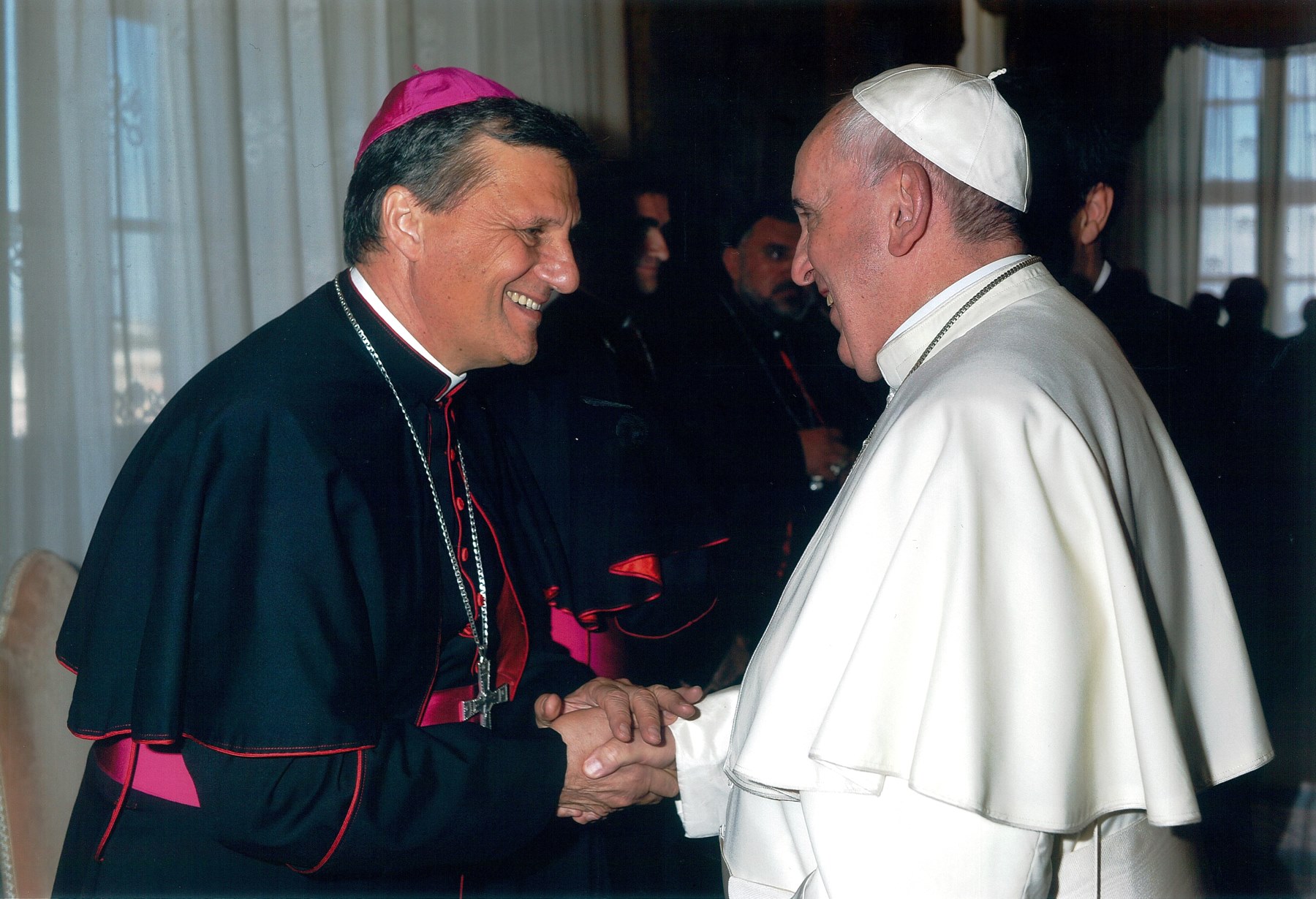
Malta's Third Cardinal in history

Mario Grech (20 February 1957) is a Maltese prelate who was Bishop of Gozo from 2005 to 2019. He was Pro-Secretary General of the Synod of Bishops from October 2019 until he became Secretary General in September 2020. On 25 October 2020, Pope Francis announced he would raise him to the rank of cardinal at a consistory scheduled for 28 November 2020. Mario Grech was born in Qala, Gozo, on 20 February 1957. His family moved to Ta' Kerċem when he was a young boy. He attended the Victoria high school and then studied philosophy and theology at the Gozo diocesan seminary. He was ordained a priest on 26 May 1984. He then obtained a licenciate in civil and canon at the Pontifical Lateran University and a doctorate in canon law at the Pontifical University of Saint Thomas Aquinas. He then fulfilled pastoral assignments at the Cathedral of Gozo, in the National Shrine of Ta' Pinu, and the parish of Kerċem. His responsibilities for the Diocese of Gozo included service as Judicial Vicar of the diocese, a member of the Metropolitan Court of Malta, teacher of canon law at the seminary, and a member of the College of Consultors, of the Presbyteral Council and of other diocesan commissions. On 26 November 2005, Pope Benedict XVI named him Bishop of Gozo. He received his episcopal consecration on 22 January 2006 from his predecessor in Gozo, Bishop Nikol Joseph Cauchi. In 2011, he joined other Maltese bishops in advising Catholics to defeat a referendum that would allow the legislature to consider legalizing divorce. He was famous for prohibiting any Tridentine Masses from being held in Gozo, unlike the position taken by the Maltese Archbishop, Paul Cremona O.P. As president of the Episcopal Conference of Malta, he participated in the Synod of Bishops on the Family in 2014 and 2015. Speaking to the Synod in October 2014, Grech said that
"the doctrine of the faith is capable of progressively acquiring a greater depth"
and that addressing people in complex familial relations, or homosexuals or parents of homosexuals, "It is necessary to learn to speak that language which is known to contemporary human beings and who acknowledge it as a way of conveying the truth and the charity of the Gospel."
With Archbishop Charles J. Scicluna, Grech co-authored the Maltese bishops' pastoral guidelines on Amoris Laetitia, released in January 2017, which stated that in certain cases a divorced Catholic who remarried might receive communion after "honest discernment". The guidelines were republished in L'Osservatore Romano. The guidelines infamously said that:
"If, as a result of the process of discernment, a separated or divorced person who is living in a new relationship manages, with an informed and enlightened conscience, to acknowledge and believe that he or she is at peace with God, he or she cannot be precluded from participating in the sacraments of Reconciliation and the Eucharist."
In a December 2018 interview, he said he enjoyed discussions with atheists that sharpened his own beliefs and preferred dialogue to the confrontation his critics preferred. When asked about family and sexual issues he said:
If someone comes to me, asking me for help to discover Jesus Christ... he or she could be homosexual, and even in a homosexual relationship. It doesn’t matter. I will not impede that person; on the contrary I would help. The last thing I would do is take up a position against that person.... Before, we would say: 'put your life in order first, and then we’ll begin the journey towards God'. Today, on the other hand, we would say: 'Let us approach Jesus Christ... and Christ will help us put our lives in order.' ... 'Black' and 'white' still exist; but the grey area in-between has grown. It is in the grey areas that we must search. That’s why I said that I am wary of those priests, or Christians, who feel they already know all the answers. No one can make that claim. We all have to continue searching.
On 2 October 2019, Pope Francis named him Pro-Secretary General of the Synod of Bishops, in anticipation of succeeding Cardinal Lorenzo Baldisseri when he retired as Secretary General. Grech worked alongside Baldisseri and participated as a member in the Synod of Bishops for the Pan-Amazon region. Grech was also the Apostolic Administrator of the Diocese of Gozo until 2020. He was one of five Synod officials who served ex offico on the fifteen-person commission that was responsible for drafting the final document of the Amazon Synod. In his first interview after his appointment he stated that
"there is a movement toward which the Church can acquire a greater feminine face that would also reflect Mary’s face"
. On 4 July 2020, Pope Francis named Grech a member of the Pontifical Council for Promoting Christian Unity, with the exception of reconciliation with traditional Catholic communities. On 25 October 2020, Pope Francis announced he would raise him to the rank of cardinal at a consistory scheduled for 28 November 2020. The previous Maltese cardinals were: Fabrizio Sceberras Testaferrata and Prospero Grech OSA .

Wednesday, May 23, 2018

Mark Montebello fuq li tkun Tridentin

Image result for "mark montebello"
Fr Mark Montebello OP u l-Arċisqof Charles J. Scicluna (Ritratt: Net News)
F'dawn l-aħħar ġranet reġgħet qamet kontroversja dwar Fr Mark Montebello. Mingħajr ma nidħlu fuq il-mertu ta' din id-diskussjoni, fil-passat dan il-Blog kien diġa' ppubblika artiklu negattiv minn dan il-patri dwar ir-Rit Tridentin. Illum nerġgħu nagħtu ħarsa lejn kif jaħsibha Montebello dwar dak kollu li għandu x'jaqsam mal-Konċilju ta' Trentu. Dawn l-artikli kienu ppubblikati 3 snin ilu hawn u hawn minn Montebello nnifsu.

Ekkleżjoloġija Fqira

Spiss għedt (u nerġa’ ngħid għal min irid jisma’) li l-għeruq tal-irrelevanza li l-Knisja Kattolika f’Malta u Għawdex qiegħda ġġarrab dejjem aktar jinsabu fil-faqar tal-viżjoni ekkleżjoloġika u antropoloġika tagħha. Għalkemm dawn huma oqsma duttrinali, jinfluwixxu ħafna fuq l-operat ekkleżjastiku.
 
Fi ftit kliem, l-antropoloġija tiġbor fi ħdanha t-teoriji dwar x’inhu l-bniedem: x’jagħmlu kuntent; x’inhu li jroddlu sens f’ħajtu; x’pożizzjoni għandu fid-dinja u fil-fasla ekonomika u politika, u ħwejjeġ bħal dawn. L-ekkleżjoloġija tiġbor it-teoriji dwar x’inhi l-Knisja: minn xiex hi magħmula; għalfejn teżisti; lejn xiex trid twassal il-ħidma tagħha, u ħwejjeġ bħal dawn.
 
Għalkemm iż-żewġ oqsma huma distinti minn xulxin, huma mhux biss relatati mill-qrib, imma ħafna mit-tieni qasam jiddependi fuq dak li jinħaseb fl-ewwel wieħed. Hawnhekk, illum, se nitħaddet biss dwar it-tieni qasam f’rabta mal-Knisja lokali. Darba oħra, nitħaddet dwar il-qasam l-ieħor.

Ekkleżjoloġija Tridentina

Nibda biex insostni b’konvinzjoni informata li l-ekkleżjoloġija li jħaddnu l-biċċa l-kbira tal-Kattoliċi Maltin u Għawdxin (pastoralment attivi u mhux; kjeriċi u lajċi) hija Tridentina. Dan ifisser li l-kunċett bażiku tagħhom ta’ x’inhi l-Knisja huwa dak imnebbaħ mill-Konċilju ta’ Trentu (tas-seklu 16). Mhuwiex, għandi nżid, kunċett imnebbaħ, kif għandu jkun, mill-Konċilju Vatikan II (seklu 20).
 
Dan il-kunċett Tridentin jistħajjel Knisja li hija armata f’taqbida mqaddsa b’armi spiritwali daqskemm materjali; armata li hi soċjetà magħluqa mikduda bil-ħsieb tal-fruntieri; armata b’regoli fissi, imfassla f’għamla piramidika, b’ideoloġija monolotika u b’perspettiva operattiva ta’ ‘aħna’ u ‘huma’. Hija Knisja b’filosofija ta’ esklussività.
 
F’kuntrast, l-ekkleżjoloġija tal-Konċilju Vatikan II tistħajjel Knisja li hija poplu f’mixja; poplu li qiegħed dejjem jitgħallem u jikber spiritwalment daqskemm umanament; poplu fi ħbiberija ma’ kull sinjal ta’ tjieba u grazzja; poplu ta’ ħbieb u msieħba, b’ideoloġija diversifikata u b’perspettiva operattiva ta’ kooperazzjoni u għajnuna mutwa. Hija Knisja b’filosofija ta’ inklużjoni.

Il-faqar ekkleżjoloġiku

Qrajt għal darba oħra dan l-aħħar (u nisma’ spiss lil min jirrepetiha, ukoll nies bravi, biex ma nsemmix bosta soċerdoti) li l-Knisja hi għamla ta’ partit politiku. Xi wħud jaslu biex jgħidu li hi għamla ta’ trajdunjin, klabb tal-futbol jew saħansitra każin tal-banda. Dawn huma eżempji tajba tal-ekkleżjoloġija Tridentina u tal-faqar ekkleżjoloġiku.
 
Iżda l-punt ewlieni tiegħi hawnhekk mhuwiex x’ekkleżjoloġija jistħajlu dawn in-nies, daqskemm l-anakroniżmu tagħhom. U l-inkwiet veru jibda meta tqis kemm Kattoliċi (u mhux) f’Malta u Għawdex iħaddnu din l-ekkleżjoloġija. L-inkwiet ikompli meta wieħed iqis li l-mexxejja klerikali nfushom għandhom jippropagaw sallum din is-sura ta’ ekkleżjoloġija, jekk mhux espliċitament fit-teorija għallanqas impliċitament fil-prattika.
 
Għal dawn in-nies kollha—li, nissusspetta b’sogħba, isawru l-biċċa l-kbira tal-Kattoliċi Maltin u Għawdxin—il-Konċilju Vatikan II seta’ ma sar xejn. Tridentini kienu u Tridentini għadhom. Biex jilmaħ dan, biżżejjed wieħed jagħti titwila mqar ħafifa lejn it-teoloġija (rudimentali) li jgħallem il-kleru, l-istil (paternalistiku) ta’ ħidma parrokkjali, is-sura (barokka) tal-liturġija u sa l-arti (trijonfalistika) fil-knejjes. Malajr jintebaħ li l-135,000 kelma ta’ Vatikan II kienu bżieq moħli.

Abbandun meħtieġ

Il-punt prattiku hu dan: qabel ma l-Knisja Kattolika fil-gżejjer Maltin tabbanduna l-apparat katidratiku tal-ekkleżjoloġija Tridentina li tħaddan kurrentement ma tista’ qatt tkun ferħ u tama, omm u għalliema, jew dawl fid-dinja tallum. Hija ineżorabbilment ikkundannata għall-irrelevanza u, fl-aħħar mill-aħħar, għall-estinzjoni relattiva.
 
Knisja Kattolika Tridentina ma tistax tissopravivi fid-dinja tallum. Naf perfettament li hu mill-aktar diffiċli li l-ekkleżjoloġija tal-Konċilju Vatikan II tiġi tradotta fi strutturi u fasliet relattivi konkreti. Iżda dan ikun impossibbli mingħajr ir-rieda ‘politika’ (jew amministrattiva) serja u konvinċenti sabiex jibda jseħħ. Minkejja l-paroli li jsir, din ir-rieda sempliċiment ma narahiex.
 
Nifhem li l-kankru ta’ ekkleżjoloġija fqira mhuwiex faċli li timmansah jew tasal biex ixxejnu. Huwa kankru mifrux f’kull fibra tal-ġisem. Biex jibda jċedi jeħtieġ kirugi qalbiena daqskemm għorrief u għaqlija, b’idejn sodi u b’determinazzjoni tal-ħadid.
 
Il-ħsad huwa kbir, iżda l-ħaddiema dgħajfa.

Antropoloġija Ifqar

Fi żmienna, ekkleżjoloġija maħsuba b’fasla mentali legalista (Tridentina) hi anakronista daqs maħsuba b’fasla oġġettivista, jiġifieri bħala oġġett, aktar milli suġġett. Ekkleżjoloġija bħal din dak li tagħmel: tqis lill-bniedem bħala oġġett ta’ liġijiet stabbiliti u duttrini immutabbli, u ma tevalwax biżżejjed is-siwi ta’ kull bniedem fih innifsu. Dan jintwera f’diversi deċiżjonijiet ta’ natura proċedurali, etika u morali li jittieħdu minn min iħaddanha.

Antropoloġija suġġettivistika

Antropoloġija suġġettivistika (jew personalistika, jekk trid) hija dik żviluppata filosofikament u teoloġikament wara r-riflessjonijiet ta’ Immanuel Kant (fis-seklu 18). Flimkien ma’ dak spiritwali, (ontoloġikament) hija tagħti siwi qawwi lill-qasam materjali tal-bniedem. Twieżnu mhux sempliċiment bħala duwalità (ta’ ġisem u ruħ), imma fit-totalità tiegħu (b’mod sħiħ jew ħolistiku).
 
Hija antropoloġija li (mil-lat soċjoloġiku) ma tqisx lill-bnedmin sempliċiment bħala għamliet differenti ta’ forma waħda, b’mod xi ftit jew wisq sterjotipiku. Kull bniedem, bħala suġġett individwali, hu uniku u irrepetibbli; għandu l-kwalitajiet distinti u speċifiċi tiegħu; jistħoqqlu attenzjoni singula u separata. F’dan is-sens, is-soċjetà—kull soċjetà, inkluż il-Knisja—mhijiex primarjament kollettività daqskemm unità ta’ individwi.
 
Antropoloġija suġġettivistika ma tqis lill-bniedem bħala l-quċċata tal-ħolqien u, għaldaqstant, sid tal-ħolqien (inkluż tal-annimali l-oħra u tal-ambjent naturali). Tqisu, pjuttost, bħala parti mill-ħolqien; bħala ħlieqa li, bħall-ferħ tagħha (u fi sħubija mal-pjan divin), trid tgħix f’armonija mal-ħolqien f’rispett sħiħ mal-fasla naturali.

Il-preżenza tal-grazzja

Mil-lat politiku, din l-antropoloġija suġġettivistika ma tqis lill-bniedem bħala riċevitur tal-ħidma tal-istituzzjonijiet, imma, pjuttost, bħala parteċipant primarju fihom. Fi kliem differenti, minn dan il-lat il-bniedem mhuwiex oġġett li jobdi u jsegwi, imma suġġett li jikkontribwixxi u joħloq.
 
Fl-aspett spiritwali tagħha, antropoloġija bħal din ma tistħajjilx ferq nett bejn ir-reliġjuż u s-sekulari; bejn is-sagru u l-profan. B’applikazzjoni tat-twemmin (nisrani) tal-Inkarnazzjoni divina, hija tilmaħ għaqda sħiħa bejn it-tnejn. Xejn ma hu irreliġjuż, għajr id-dnub, u xejn ma hu sagru biss. Is-sagru hu sekulari, u s-sekulari sagru.
 
Dan jgħodd għal kull aspett tal-ħajja naturali u, partikularment, għall-ħajja umana, inkluż l-imħabba, ir-relazzjonijiet inter-personali u inter-suġġettivistiċi, ix-xogħol manwali, il-ħidma pubblika u l-bqija. Tradotta teoloġikament, din timplika li l-grazzja divina mhijiex xi ħaġa tar-ruħ biss, imma wkoll tal-ġisem; mhijiex marbuta ma’ dak li hu reliġjuż jew spiritwali biss, imma wkoll ma’ kull ħidma u sentiment uman.

Rieda għat-tiġdid

Antropoloġija oġġettivistika li tirriżulta minn kunċett ekkleżjoloġiku Tridentin ma tistax twieżen biżżejjed, la l-ekonomija tas-salvazzjoni (għax tirrendiha għal proċess sempliċiment legalistiku u mekkaniku), u lanqas is-siwi tal-esperjenza rikka umana fil-varjetà kollha tagħha. Għaldaqstant, tiċħad li tirrikonoxxi l-preżenza tal-grazzja divina f’oqsma li hi tqis purament sekulari jew profani.
 
B’hekk issir aktar arma ta’ esklużjoni milli għodda ta’ inklużjoni u parteċipazzjoni, bħalma, proprjament, għandha tkun il-Knisja f’xebh ma’ Ġesù, ir-ras u l-ġisem tagħha. Issir aktar arma ta’ firda u ta’ telfien milli għodda ta’ unifikazzjoni u ta’ redenzjoni.
 
Biex nagħlaq dan li fissirt fi ftit kliem ta’ malajr, jekk il-Knisja fil-gżejjer Maltin tista’ xi darba tkun f’pożizzjoni li ġġedded lilha nnifisha, jeħteġilha—bil-grazzja ta’ Alla u bir-rieda ta’ min imexxiha—tieħu l-inkarigu impellattiv li tirrevedi serjament u profondament l-ekkleżjoloġija u l-antropoloġija li tħaddan (l-ewwel nett fil-kleru tagħha).
 
Jekk dan ma jsirx, tkun qed tagħmilha prattikment impossibbli għaliha nnifisha li timxi mal-pass tad-dinja moderna. Mhijiex, għaldaqstant, kwestjoni li tibdel xi duttrina tagħha—xejn minn dan—imma li tevalwa l-istess duttrina b’mod ieħor, f’sinkronija mal-ħsieb u l-esperjenza tal-bniedem tallum.

Wednesday, November 15, 2017

The Church in Malta's tacit approval of post Amoris Laetitia society


According to the Times of Malta of last Friday, former Maltese priest Vanni Xuereb stated that:
 
"I had mixed feelings when Archbishop Charles Scicluna asked me to form part of a national delegation that would be taking part in the (Re)Thinking Europe dialogue organised at the Vatican by the Commission of Bishops’ Conferences of the EU (COMECE) and the Holy See to mark the 60th anniversary of the signing of the Treaty of Rome which established the European Economic Community."
 
Further on, he said:
 
"Undoubtedly, the highlight of the dialogue was the address by Pope Francis who, after his speech, greeted all participants individually. It was my first-ever close personal encounter with him. I have also had the privilege to meet both his immediate predecessors, however, on a personal note, this was the most meaningful since it is thanks to Pope Francis that I can still somehow identify with the Catholic Church.
At a moment in time when I felt I was drifting away because of what I was perceiving as an increasing irrelevance of the Church, this Pope has shown that there is a different way of being Church – one that is inclusive rather than exclusive."
According to slain journalist Daphne Caruana Galizia, the former Fr Vanni Xuereb now lives with another person who has a son. This would explain his comment concerning Pope Francis but also his perceived distaste of Benedict XVI and Saint John Paul II.
 
One hopes that the Catholic Church in Malta is not going to step any further in the post-Amoris Laetitia world. Already enough damage is being done by the easy granting of Catholic 'divorces' nowadays. So why would a former priest be considered as the best person that the Catholic Church in Malta could choose to represent it? No doubt that Xuereb is very knowledgeable about the EU but such a choice still seems inappropriate in our point of view.

Tuesday, May 24, 2016

Il-Knisja fi kliem Dun Rene' Camilleri

http://www.independent.com.mt/file.aspx?f=93020
 Indikazzjoni ta' ħsieb modernista li għadu jagħmel ħsara fil-Knisja f'Malta. Dan il-ħsieb deher ċar fl-attakk riċenti li sar fuq l-Arċisqof Scicluna mill-istess individwu. Fost l-oħrajn, qal hekk: 

“Dawn, jiddispjaċini ngħid, qed isibu r-riħ fil-qala b'din it-tip ta' Knisja antikwata li lkoll konna ħsibna li mietet. Għadu kemm kellna numru ta’ qassisin żgħar ħafna li saru kanonċi. Dawn huma affarijiet barra minn żmienhom għalkollox u l-Arċisqof ma jistax jippromovi din it-tip ta' Knisja. Ngħid 'ma jistax' mhux għax jien għandi xi dritt nindaħallu kif imexxi, imma għaliex ir-responsabbiltà tiegħu lejn il-Knisja u lejn dan il-pajjiż żgur titlob prijoritajiet oħra.”
 “Pjuttost bħalissa rridu nxammru biex nissettjaw prijoritajiet pastorali li l-Knisja jagħmluha iktar dik li qed joħlom Franġisku.” 
“Ma niflaħx iżjed nara Knisja li fiha qisni kkundannat biex inkun dejjem fl-oppożizzjoni. Dan mhux qed ngħidu għalija biss. Meta sena ilu saret il-kritika li saret għan-nuqqas ta’ tmexxija li kellna fil-Knisja, żgur li ħlomna u xtaqna xi ħaġa differenti. Għadni qed nistenna biex niddeċiedi morniex għall-aħjar, għax s'issa mhemm l-ebda sinjal."
Interessanti r-risposta li ngħata mill-Kappillan ta' Kristu Re, Paola li tidher hawn:


Saturday, May 2, 2015

Two Maltese Bishops celebrated Tridentine Mass - will Archbishop Scicluna emulate them?


Out of the more than 360 Cardinals and Bishops who have said the Tridentine Mass since Summorum Pontificum (between 2007 and 2014) there were, at least, 2 Maltese Bishops. The late Bishop Joe Grech in Australia and Bishop Francis George Adeodatus Micallef, O.C.D., Vicar Apostolic Emeritus of Kuwait, in Malta. The late Mgr Annetto Depasquale assisted at a Tridentine Mass in Malta too.

Will the new Archbishop of Malta, Charles J. Scicluna be the third one?

A list of Cardinals and Bishops who have officiated or attended liturgies in the Extraordinary Form of the Roman Rite, after the entry into force of the motu proprio Summorum Pontificum, follows (some of them might have changed their Sees since celebrating or assisting at Tridentine Masses):


ARGENTINA: Baseotto  (Emeritus Military of Argentina), Fenoy (San Miguel), Laise (Emeritus of San Luis) and Sánchez Sorondo (Chancellor of the Pontifical Academy of Sciences).

AUSTRALIA: Cardinal Pell (Archbishop of Sydney), Archbishops Coleridge (Brisbane), Hart (Melbourne), Hickey (Perth), Wilson (Adelaide), Bishops Elliot (Auxiliary of Melbourne), Grech (Sandhurst, +2010), Jarrett (Lismore), Long (Auxiliary of Melbourne), Mathys (Armidale), Porteus (Auxiliary of Sydney), Prowse (Sale) and Tomlinson (Sandhurst).

AUSTRIA: Cardinal Stickler (Archivist Emeritus of the Vatican, +2007). Bishop Laun (Auxiliary of Salzburg).

BELGIUM: Archbishop Leonard (Brussels and Primate of Belgium), Bishop Harpigny (Tournai).

BENIN: Bishop N'Koue (Nattingou).


BRAZIL: Archbishops Pena (Niterói, Emeritus in 2011), Rezende Dias (Niterói), Taveira Correa (Belem do Pará), Tempesta (Rio de Janeiro, created cardinal in 2014), Bishops Areas Rifan (Apostolic Administration of St. John Vianney), Bergamin (Nova Iguaçu), Canindé Palhano (Senhor do Bomfim), Costa Souza (Auxiliary of Sao Sebastiao do Rio de Janeiro), Da Silva (Auxiliary Emeritus of Fortaleza), Da Silva Brito (Auxiliary of Rio de Janeiro) Forge Peace (Campos dos Goytacazes), Homem De Castro (Auxiliary of Rio de Janeiro), Fontes de Matos (Palmira dos Indios ), Guimarâes Gomez (Emeritus of Campos dos Goytacazes), Gouvêa Matosso (Nova Friburgo), Marchiori (Apucarana), Monteiro Guimarães (Garanhuns), Lopes de Faria (Emeritus of Diamantina, +2009), Paixao (Auxiliary of Salvador-Bahía), Pestana Filho (Emeritus of Annapolis, +2011), Romer (Auxiliary Emeritus of Rio de Janeiro), Silva Matthes (Emeritus of Franca), Sivieri (Propriá-Sergipe), Soares da Costa (Auxiliary of Aracaju), Stringhini (Franca) and Ubiratan Lopez (Itaguaí).

CANADA: Cardinals Collins (Archbishop of Toronto) and Lacroix (Archbishop of Quebec and Primate of Canada), Archbishops Roussin (Vancouver, Emeritus in 2009), Miller (Vancouver), Prendergast (Ottawa), Bishops Blais (Auxiliary of Quebec), Daniels (Grand Falls), Fabbro (London, Ontario), La Rocque (Emeritus of Alexandria-Cornwall, Ontario) and  Lemay (Auxiliary of Quebec).

CHILE: Cardinal Medina Estévez (Prefect Emeritus of Worship), Archbishop Piñera Carvallo (Emeritus of La Serena), Bishops Duarte Garcia de Cortazar (Valparaíso), Gleisner Wobbe (Auxiliary of La Serena), and González Errazuriz (San Bernardo).

CHINA: Cardinals Tong Hon (Hong Kong) and Zen (Emeritus of Hong Kong).

COLOMBIA: Cardinal Castrillón Hoyos (President Emeritus of the Pontifical Commission Ecclesia Dei), Bishops Hurtado López (Girardot) and Ramírez Gómez (Emeritus of Garzón, President of the Ecclesiastical Court).

CROATIA: Bishop Pozaic (Auxiliary of Zagreb).

CZECH REPUBLIC: Bishop Baxant (Litomerice).

DENMARK: Bishop Kozon (Copenhagen).

ECUADOR : Bishop Pine Castle (Auxiliary of Portoviejo).

EQUATORIAL GUINEA: Bishop Nsué Edjang (Ebebiyin).

FRANCE: Cardinals Barbarin (Lyon), Ricard (Bordeaux) and Vingt-Trois (Paris and President of the French Episcopal Conference), Archbishops Aubertin (Tours), Bacque (Nuncio in The Netherlands), Carré (Montpellier), Cattenoz (Avignon), D'Ornellas (Rennes), Le Gall (Toulouse), Madec (Emeritus of Toulon), Maillard (Bourges), Thomazeau (Montpellier), Wintzer (Poitiers), Bishops Aillet (Bayonne), Aumonier (Versailles), Bagnard (Belley-Ars), Batut (Auxiliary of Lyon), Beau (Auxiliary of Paris), Benoît Gonnin (Beavois, Noyon and Senlis), Boivineau (Annecy), Bonfils (Emeritus and Apostolic Administrator of Nice and Ajaccio), Brouwet (Tarbes-Lourdes), Castet (Luçon), Centene (Vannes), De Dinechin (Auxiliary of Paris), De Germay (Ajaccio), De Kerimel (Grenoble), Delmas (Angers), Dubost (Evry), Dufour (Limoges), Fikart (Auxiliary Emeritus of Paris), Fort (Orleans), Gaschignard (Aire and Dax), Ginoux (Montauban), Fréchard (Emeritus of Auch), Gaidon (Emeritus of Cahors, +2011) Guillaume (Emeritus of Saint-Dié), Herbreteau (Agen), Kalist (Limoges), Kratz (Auxiliary of Strasbourg), Le Bègue Germiny (Blois), Lebrun (Saint-Etienne), Mathieu (Saint-Dié), Nahmias (Meaux), Pansard (Chartres), King (Frejus-Toulon), Riocreux (Pontoise), Scherrer (Laval) and Séguy (Emeritus of Autun).

GABON: Archbishop Mvé Engone (Libreville) and Bishop Madega Lebouankenham (Mouila).

GERMANY: Cardinal Brandmüller (President Emeritus of the Pontifical Council for Historical Sciences),  Bishops Ackermann  (Trier), Dick (Auxiliary Emeritus of Cologne), Hanke (Eichsttät), König (Auxiliary of Paderborn), Mixa (Augsburg),  Ostermann (Auxiliary Emeritus of Münster), Overbeck (Essen), Zdarsa (Augsburg) and Ziegelbauer (Auxiliary of Augsburg).

HAITI: Archbishop Gayot (Emeritus of Cap-Haitien, +2010).

HUNGARY: Bishops Farhat (Nuncio in Austria) and Lajos Varga (Auxiliary of Vác).

ITALY: Cardinals Antonelli (Florence), Bagnasco (Genoa), Bartolucci (Choirmaster Emeritus of the Sistine Chapel +2013), Caffarra (Bologna), De Paolis (Prefect of Economic Affairs), Piovanelli (Emeritus of Florence), Poggi (Librarian Emeritus of the Holy See, +2010), Scola (Venice), Archbishops Accerbi (Prelate of the Order of Malta), Appignanesi (Emeritus of Potenza), Bassetti (Perugia, created cardinal in 2014), Berloco (Apostolic Nuncio in Belgium), Betori (Florence), Boccardo (Spoleto-Norcia), Brugnaro (Camerino-San Severino), Crepaldi (Trieste), De Magistris (Major Penitentiary Emeritus), Fisichella (President of the Pontifical Council for Promoting the New Evangelization ), Molinari (L'Aquila), Negri (Ferrara), Pozzo (Secretary of the Pontifical Commission Ecclesia Dei), Bishops Ambrose (Piacenza), Cancian (Città di Castello), Cerrato (Ivrea), Giovanetti (Fiesole, retired in 2010), Giusti (Livorno), Lambiasi (Rimini), Miglio (Ivrea), Mistrorigo (Emeritus of Treviso), Oliveri (Albenga-Imperia), Rabitti (Ferrara), Raspanti (Acireale), Ravignani (Emeritus of Trieste), Reali (Porto-Santa Rufina), Scanavino (Orvieto), Sciacca (Secretary to the Government of the Vatican State), Sigismondi (Foligno), Tardelli (San Miniato), Zenti (Verona) and Zuppi (Auxiliary of Rome).

IRELAND: Archbishop Martin (Dublin), Bishops Magee (Cobh) and Moriarty (Emeritus of Kildare and Leighlin).

KAZAKHSTAN: Bishop Schneider (Auxiliary of Astana).

LIECHTENSTEIN: Archbishop Haas (Vaduz).

LITHUANIA: Bishop Bartulis (Siauliai).

MALTA: Bishops Micallef, O.C.D. (Vicar Apostolic Emeritus of Kuwait) and Depasquale (Auxiliary of Malta, +2011).

MEXICO: Cardinal Sandoval Iñiguez (Emeritus of Guadalajara), Archbishop Suárez Inda (Morelia), Bishops González González (Auxiliary of Guadalajara) and Gutiérrez Valencia (Auxiliary of Guadalajara).

MONACO: Archbishop Barsi (Monaco).

NIGERIA: Cardinal Arinze (Prefect Emeritus of the Congregation for Divine Worship), Bishops Ochiagha (Emeritus of Orlu) and Tochukwu Ukwuoma (Orlu).

NEW ZEALAND: Bishop Basil Meeking (Emeritus of Christchurch).

NETHERLANDS: Bishops Punt (Haarlem-Amsterdam), and Van Burgsteden (Emeritus of Haarlem-Amsterdam).

PARAGUAY: Bishop Livieres (Ciudad del Este).

PHILIPPINES: Archbishops Argüelles (Lipa), Lagdameo (Jaro), Palma (Cebu), Bishops Escaler (Emeritus of Ipil), De Gregorio (Administrator of the Prelature of Batanes), Hobayan (Emeritus of Cazarman), Tobias (Novaliches) and Vergara (Pasig).

POLAND: Cardinals Dziwisz (Krakow), Nycz (Warsaw), Archbishops Golebiewski (Wroclaw), Zycinski (Lublin, + 2011), Bishops Balcerek (Auxiliary of Poznań), Cieslik (Auxiliary of Koszalin-Kolobrzeg), Czaja (Opole), Depo (Zamosc-Lubaczow), Dziuba (Lowicz) Gorny (Rzeszów), Malysiak (Auxiliary Emeritus of Krakow), Mizinski (Auxiliary of Lublin), Pieronek (Auxiliary Emeritus of Sosnowieck), Rys (Auxiliary of Krakow), Stobrawa (Auxiliary of Opole), Szkodon (Auxiliary of Krakow) and Watroba (Rzeszów).

PORTUGAL: Bishop Faria (Emeritus of Funchal).

PUERTO RICO: Bishops Corrada del Rio (Mayagüez) and Torres Oliveira (Emeritus of Ponce, +2012).

RUSSIA: Archbishop Pezzi (Diocese of Mary Mother of God).

SINGAPORE: Archbishop Goh Seng Chye (Singapore).

SLOVAKIA: Archbishop Bezák (Trnava).

SLOVENIA: Cardinal Rode (Prefect for Consecrated Life).

SPAIN: Cardinals Cañizares Llovera (Prefect for Divine Worship), Martínez Sistach (Barcelona), Herranz Casado (President Emeritus of the Council for Legislative Texts), Navarrete Cortés (Rector Emeritus of the Pontifical Gregorian University, +2010), Archbishops Rodríguez Plaza (Toledo and Primate of Spain), Ureña Pastor (Zaragoza), Bishops Arrieta Ochoa de Chinchetru (Secretary of the Pontifical Council for Legislative Texts), Cases Andreu (Canarias), Fernández González (Córdoba), Iceta Gavicagogeascoa (Bilbao), Martínez Camino (Auxiliary of Madrid and Secretary the Spanish Episcopal Conference) and Yanguas Sanz (Cuenca).

SRI LANKA: Cardinal Ranjith (Colombo).

SWITZERLAND: Bishops Farine (Auxiliary of Lausanne), Genoud (Lausanne and Fribourg, +2010), Huonder (Chur) and Perisset (Nuncio in Germany).

UK: Cardinal O'Brien (Edinburgh and Primate of Scotland, retired in 2013), Archbishops Conti (Glasgow), Longley (Birmingham), McDonald (Emeritus of Southwark), Stack (Cardiff), Bishops Arnold (Auxiliary of Westminster), Brain (Salford), Brainey (Middlesbrough), Campbell (Lancaster), Cunnigham (Hexham and Newcastle), Davies (Shrewsbury), Doyle (Northampton), Drainey (Middlesbrough), Egan (Portsmouth), Gilbert (Aberdeen), Hopes (Auxiliary of Westminster), Kenney (Auxiliary of Birmingham), McGough (Auxiliary of Birmingham), McMahon (Nottingham), Moran (Aberdeen), Pargeter (Auxiliary Emeritus of Birmingham), Sherrington (Auxiliary of Westminster) and Williams (Auxiliary of Liverpool).

UNITED STATES: Cardinals Baum (Major Penitentiary Emeritus), Burke (Prefect of the Apostolic Signatura), DiNardo (Galveston-Houston), Egan (Emeritus of New York), Foley (Grand Master of the Order of the Holy Sepulchre, + 2011), George (Chicago, +2015), Levada (Prefect of the Congregation for the Doctrine of the Faith), O'Malley (Boston), Wuerl (Washington), Archbishops Apuron (Agana), Aquila (Denver), Brown (Nuncio in Ireland), Brunett (Seattle), Carlson (Saint Louis), Coakley (Oklahoma), Di Noia (Vice President of the Pontifical Commission Ecclesia Dei), Hugues (Emeritus of New Orleans), Kurtz (Louisville), Lucas (Omaha), Myers (Newark), Nienstedt (Saint Paul and Minneapolis), Pilarczyk (Emeritus of Cicinnati), Sartain (Seattle), Vigneron (Detroit), Wenski (Miami), Bishops Backer (Birmingham), Bambera (Scranton), Barber (Oakland), Barres (Allentown), Bevard (Saint Thomas), Blair (Toledo, Ohio), Boyea (Lansing), Bruskewitz (Lincoln), Burbidge (Raleigh), Caggiano (Bridgeport), Callahan (LaCrosse), Conley (Auxiliary of Denver), Conlon (Jolliet) Cordileone (Oakland), Cotta (Auxiliary of Sacramento), Cummins (Emeritus of Oakland), D'Arcy (Fort Wayne-South Bend), Dewane (Venice), Di Lorenzo (Richmond), DiMarzio (Brooklynn), Doran (Rockford), Elizondo (Auxiliary of Seattle), Etienne (Cheyenne), Farrell (Dallas), Finn (Kansas City), Foley (Emeritus of Birmingham), Foys (Covington), Gainer (Lexington), García (Monterey), Gelineau (Emeritus of Providence), Hanchon (Auxiliary of Detroit), Hermann (Auxiliary of Saint Louis), Hying (Auxiliary of Milwaukee), Hurley (Grand Rapids), Jugis (Charlotte), Keleher (Emeritus of Kansas City), Kicanas (Tucson), Libasci (Manchester), Loverde (Arlington), Madera Uribe (Emeritus of Fresno), Matano (Burlington), McFadden (Harrisburg, +2013), McManus (Worcester), Morlino (Madison), Mulvee (Emeritus of Providence), Murphy (Rockville Centre), Nevares (Auxiliary of Phoenix), O'Connell (Trenton), Olmsted (Phoenix), Paprocki (Springfield, Illinois), Parkes (Pensacola-Tallahassee), Perry (Auxiliary of Chicago), Provost (Lake Charles), Reiss (Auxiliary of Detroit), Rhoades (Harrisburg), Rice (Auxiliary of Saint Louis), Ricken (Green Bay), Sample (Marquette), Serratelli (Paterson), Silva (Honolulu), Slattery (Tulsa), Timlin (Emeritus of Scranton), Tobin (Providence), Waltersheid (Auxiliary of Pittsburgh), and Van Johnston (Springfield, Missouri).

Thursday, February 26, 2015

EXCLUSIVE: Scicluna's nomination following consultation with Benedict XVI


This Blog can reveal that the new Archbishop was not the first name on the list submitted to Pope Francis. However, in an exceptional way, and probably because the current Pontiff knows the great work done by Scicluna, in particular on the child abuse cases, His Holiness consulted with Pope Emeritus Benedict XVI. 

This meeting took place in the first week of February. It appears that Benedict XVI highlighted the exceptional qualities of Scicluna and this seems to have tipped the balance in favour of Bishop Scicluna. This Blog had mentioned two other names some time ago: Msgr Joseph Spiteri and Fr Fabio Attard. One of these names was also in the list submitted to Francis. In all the euphoria surrounding Scicluna's nomination, this Blog feels that it is useful for its readers to know how the process is conducted in all the stages.

How a Bishop is chosen to head a Diocese:

The ultimate decision in appointing bishops rests with the pope, and he is free to select anyone he chooses. But how does he know whom to select?

The process for selecting candidates for the episcopacy normally begins at the diocesan level and works its way through a series of consultations until it reaches Rome. It is a process bound by strict confidentiality and involves a number of important players – the most influential being the apostolic nuncio, the Congregation for Bishops, and the pope.

http://c1414377.r77.cf3.rackcdn.com/media/_images/2381-750x315.jpgStage 1: Bishops' Recommendations

Every bishop may submit to the archbishop the names of priests he thinks would make good bishops.


Stage 2: The Apostolic Nuncio

By overseeing the final list of names forwarded to Rome, the apostolic nuncio plays a decisive role in the selection process. He not only gathers facts and information about potential candidates, but also interprets that information for the Congregation. Great weight is given to the nuncio's recommendations, but it is important to remember that his role, however, does not mean that his recommendations are always followed.

At this point, the nuncio narrows his list and a questionnaire is sent to 20 or 30 people who know each of the candidates for their input. All material is collected and reviewed by the nuncio, and a report is prepared. Three candidates are listed alphabetically – the terna – with the nuncio's preference noted. All materials are then forwarded to the Congregation for Bishops in Rome.

Stage 3: Congregation for Bishops

Once all the documentation from the nuncio is complete and in order, the process moves forward. If the appointment involves a bishop who is being promoted or transferred, the matter may be handled by the prefect and the staff. If, however, the appointment is of a priest to the episcopacy, the full congregation is ordinarily involved.

A cardinal relator is chosen to summarize the documentation and make a report to the full congregation, which generally meets twice a month on Thursdays. After hearing the cardinal relator's report, the congregation discusses the appointment and then votes. The Congregation may follow the recommendation of the nuncio, chose another of the candidates on the terna, or even ask that another terna be prepared.
http://292fc373eb1b8428f75b-7f75e5eb51943043279413a54aaa858a.r38.cf3.rackcdn.com/36c9e7526d85f285bf710f57ad95c1f01135089976-1301974824-4d9a8f28-620x348.jpg
Then Cardinal Ratzinger with Mgr. Scicluna

Stage 4: The Pope Decides

At a private audience with the pope, usually on a Saturday, the prefect of the Congregation for Bishops presents the recommendations of the Congregation to the Holy Father. A few days later, the pope informs the Congregation of his decision. The Congregation then notifies the nuncio, who in turn contacts the candidate and asks if he will accept. If the answer is "yes," the Vatican is notified and a date is set for the announcement.

Friday, August 15, 2014

Il-pass li jmiss ...

https://fbexternal-a.akamaihd.net/safe_image.php?d=AQCx85Yu-xFmSjUI&url=http%3A%2F%2Fb.vimeocdn.com%2Fts%2F406%2F663%2F406663034_1280.jpg&jq=100
Ir-Rit Tridentin għandu futur f'Malta - iż-żerriegħa nibtet...
Għaddew ħafna xhur minn mindu Pro Tridentina (Malta) waqfet taħdem b'mod regolari. F'din il-fażi tranżitorja kien hemm min qata' qalbu u dabbar rasu 'l hemm. Hawn min huwa komdu kif inhu u ma jridx idardar l-għajn li jixrob minnha - hawn qed nirreferi għal min kuntent bil-pożizzjoni li għandu fil-Knisja (kemm lajċi kif ukoll saċerdoti). U hawn min ġenwinament jibża' minn xi riperkussjonijiet mill-awtoritajiet ekkleżjastiċi jekk imqar isemmi 'l-misħuta' Quddiesa bil-Latin. Aħjar tidgħi xi tnejn milli isemmiha ma' xi saċerdoti u isqfijiet.

Min qed jaħseb li mhawnx ċans li f'Malta jkun hawn Quddies bir-Rit Tridentin b'mod regolari iżda qed jgħarralu. Fil-kwiet il-ħidma baqgħet għaddejja u meta jkun il-waqt joħroġ il-frott. Iż-żerriegħa ssaqqiet sew.

Il-proċess ta' liberalizzazzjoni mibdi mill-Kardinal Ratzinger lura fl-1982, kien assolutament wieħed pastorali u prattiku. Minn hemm sar it-tqegħid għall-Quddiesa illum magħrufa bħala 'straordinarja' permezz ta' 'evoluzzjoni omoġenja'. U min jaf lil Ratzinger sew, kemm dawk li ħadmu miegħu fil-viċin (eż. l-Isqof Charles Scicluna) kif ukoll dawk li tagħhom qara r-rapporti dwar is-sitwazzjoni liturġika f'Malta, jafu kif jaħsibha. U jafu għalfejn kellu jsir xi tibdil fis-seminarju ta' Malta. Iżda mmorru lura għal meta kollox deher mitmum għall-Quddiesa Tridentina...

Iċ-ċirkulari Quattuor abhinc annos tat-3 t'Ottubru 1984: Il-Quddiesa tradizzjonali tista' tkun awtorizzata mill-Isqfijiet, iżda taħt ċerti regoli u mhux fil-knejjes parrokkjali;

Il-motu proprio Ecclesia Dei Adflicta tat-2 ta' Lulju, 1988: l-Isqfijiet huma mitluba li jagħtu permess biex iċ-ċelebrazzjoni tagħha (fit-teorija) tkun aktar wiesgħa u jkunu ġenerużi għat-talbiet fid-djoċesijiet rispettivi tagħhom;

L-erezzjoni tal-Fraternita' ta' San Jean-Marie Vianney f'Campos, il-Brażil f'Jannar 2002: għax il-Knisja rrikonoxxiet li l-Quddiesa Tridentina "tista' tkun l-uniku sors tal-ħajja Ewkaristika ta' komunità sħiħa";

Il-motu proprio Summorum Pontificum tas-7 ta' Lulju 2007: Id-deċiżjoni biex jiċċelebraw hija issa (fit-teorija) tal-kappillani għall-parroċċi tagħhom. Ġie ċċarat li l-Quddiesa Tridentina qatt ma ġiet abolita u ċelebrazzjoni tagħha hija dritt għas-saċerdoti kollha tal-rit Ruman mingħajr restrizzjonijiet.

Fi kliem il-Kardinal Cañizares Llovera - li miegħu l-Isqof Scicluna wkoll ħadem mill-qrib - l-iskop aħħari huwa li l-Quddiesa Straordinarja tiġi ċċelebrata fil-knejjes kollha.

Pro Tridentina (Malta) se tibqa' sswgwi u tfiehem kemm lil-lajċi u lill-awtoritajiet ekkleżjastiċi dwar l-importanza li l-Quddiesa Tridentina ssir parti ntegrali mill-ħajja liturġika f'Malta. Ejja ma jasalx dak iż-żmien fejn il-Knisja tistenbaħ meta jkun tard wisq u tiffaċċja xiżma minn xi Kattoliċi tradizzjonalisti li xebgħu minn din is-sitwazzjoni. Opportunitajiet għal liturġija reverenti jeżistu fi Knejjes oħra.  
 

Thursday, January 17, 2013

Inside the Vatican's Top Ten for 2012

"Inside the Vatican," Catholic News Magazine 
According to Inside the Vatican monthly magazine by Dr Robert Moynihan, the Top Ten people in 2012 for being "examples of great courage, fidelity to the Church and heroic Christian charity" are:
 
1. Msgr. Charles Scicluna — The Vatican’s chief prosecutor of clerical sexual abuse. On October 6, he was appointed Auxiliary Bishop of Malta and Titular Bishop of San Leone.

2. Barbara Castro Garcia — Spanish mother dies after postponing cancer treatments to save baby.

3. Cardinal André Vingt-Trois — Archbishop of Paris and President of the French Bishops’ Conference builds coalition in opposition to the legalization of same-sex marriage.

4. Cardinal Timothy Michael Dolan — Archbishop of New York and President of the U.S. Bishops’ Conference leads a defense of unborn life and Christian marriage and values in society.

5. Asia Bibi — Pakistani Christian woman arrested and sentenced to death for blaspheming against Islam in 2009. Her case received worldwide attention. The Pope called for clemency for Asia.

6. Cardinal John Olorunfemi Onaiyekan — Archbishop of Abuja, Nigeria, he has spoken out  against military dictatorship and violence, and urged dialogue with Muslims.

7. Cardinal Bechara Boutros Rai — Maronite Patriarch of Antioch, he is one of the key leaders of the Christian communities in the Middle East.

8. Archbishop Georg Gänswein — The Pope’s private secretary, named Prefect of the Papal Household and Archbishop of Urbs Salvia.

9. Cardinal Antonio Cañizares — Prefect of the Congregation for Divine Worship and the Discipline of the Sacraments, has supported the faithful application of Summorum Pontificum.

10. Bishop Thaddeus Ma Daqin — This Auxiliary Bishop of Shanghai, China, has been under house arrest since July 7, 2012, following his courageous actions at his episcopal ordination
.
 

Tuesday, October 9, 2012

The Church is in for a lot of welcome surprises


Like all Catholic faithful in Malta, Pro Tridentina (Malta) wishes all the best to Mgr Charles J. Scicluna, Auxiliary Bishop elect, in his new challenge in our Archdiocese. We trust that he will do an excellent job, like what he is doing in the Vatican.  

Soon after Cardinal Ratzinger's election as Pope Benedict XVI, Mgr Scicluna had said "The Church is in for a lot of welcome surprises". May similar welcome surprises happen in Malta.


Short biography (courtesy The Church in Malta)

Mgr Charles J. Scicluna was born of Emanuel and Maria Carmela née Falzon in Toronto, Canada, on 15 May 1959.  The Scicluna family moved to Qormi, Malta, in 1960 and to Lija, Malta, in 1976. Mgr Scicluna was educated at Saint Sebastian Primary School, Qormi, at the Saint Joseph Secondary Technical School, Paola, and at Saint Edward’s College, Cottonera.  He entered the Law Course at the University of Malta in 1976 and he graduated Doctor of Laws in 1984.  

After completing his Seminary studies and a Licentiate in Pastoral Theology at the Faculty of Theology, Tal-Virtù, he was ordained to the Roman Catholic priesthood by the Archbishop of Malta, Monsignor Joseph Mercieca, on 11 July 1986.  Monsignor Scicluna was sent to read Canon Law at the Pontifical Gregorian University in Rome and obtained the doctorate in Canon Law with specialization in Jurisprudence in 1991.  

After his Rome studies Mgr Scicluna worked on the Malta Metropolitan Tribunal as Defender of the Bond and was lecturer in Pastoral Theology and Canon Law at the University of Malta.  He served in the parishes of Attard, Saint Gregory’s Sliema and Iklin, Lija. He also served as Vice Rector at the Major Seminary between 1994 and 1995 when he was called to the Vatican to work on the Supreme Tribunal of the Apostolic Signatura as Substitute Promoter of Justice.  

In 1996 he was appointed Postulator for the cause of beatification and canonization of Dun Ġorġ Preca. In October 2002, Monsignor Scicluna was nominated Promoter of Justice at the Congregation for the Doctrine of the Faith detailed to investigate and prosecute the more grave crimes reserved to the exclusive competence of the Congregation. He  has also lectured widely on issues concerning child protection in the Church, visiting a number of local churches in Europe, Asia, Africa, the Americas, and Australia. Mgr Scicluna is a Visiting Lecturer in Penal Processes at the Pontifical Gregorian University (Rome) and helps with chaplaincy work at the Convent of the Nuns of Saint Bridget, Piazza Farnese, and at the Venerable English College in Rome.