Giovanni Spadolini
For the promotion and dissemination of the Extraordinary Form of the Mass in the Archdiocese of Malta and the Diocese of Gozo, as endorsed by the motu proprio Summorum Pontificum promulgated by Pope Benedict XVI (2007) and in the Instruction Universae Ecclesiae (2011). We adhere to the traditional Catholic motto: We are what you once were. We believe what you once believed. We worship as you once worshipped. If you were right then, we are right now. If we are wrong now, you were wrong then.
Friday, September 28, 2018
Ricordando Giovanni Paolo I a 40 anni dalla morte
Giovanni Spadolini
Wednesday, September 5, 2018
Solicitation for a priest
Pro Tridentina (Malta) has a place available where Tridentine Mass can be celebrated on a regular basis. What is needed now is a priest who will be willing to celebrate TLM regularly. Our aim is that this priest is a resident of Malta.
If this is not possible (very few Maltese priests want to celebrate TLM in Malta) the organisation is in touch with an international network that would be able to find a priestly candidate for this service from outside the islands.
However, such a scenario, apart from the financial burden, would require other things, such as:
a) who could host the priest,
b) how many faithful will be attending TLM,
c) permanent housing for the priest,
d) a permanent chapel in the long term, ...etc.
Anyone who can reply to the above queries, be it a priest or a layperson, is kindly asked to contact us at: pro.tridentina.malta@gmail.com .
May God reward you for your efforts!
Tuesday, August 14, 2018
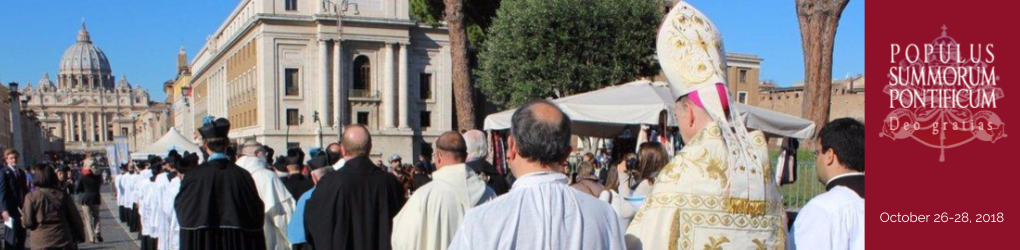
Summorum Pontificum Pilgrimage 2018

In 2018, the international pilgrimage of the Summorum Pontificum groups to Rome will be held from Friday 26 to Sunday 28 October, on the weekend of Christ the King.
A delegation from Pro Tridentina (Malta) will be attending.
The pilgrimage will be led by Mgr. Czeslaw Kozon, Bishop of Copenhagen.
The provisional progamme is as follows:
Friday 26 October
11:00 - 17:00 - Meetings Populus Summorum Pontificum
at the invitation of Paix Liturgique, the FIUV and Juventutem
at the Pontifical University of Saint Thomas Aquinas (Angelicum).
18:00 - Mass at the Church of the SS. Trinity of the Pilgrims.
Saturday 27 October
09:30 - Eucharistic Adoration (confessions).
10:30 - Solemn procession to the Basilica of St. Peter, presided by Msr. Kozon.
12:00 - Solemn Pontifical Mass in St. Peter's Basilica (Altar of the Chair), celebrated by Mgr. Czeslaw Kozon, Bishop of Copenhagen, choir conducted by Maestro Aurelio Porfiri.
14:00 - Buffet for the Clergy.
18:00 - Vespers of Christ the King in the church of the SS. Trinity of the Pilgrims.
Sunday, 28 October
09:30 - Mass of Christ the King for pilgrims who wish to participate in the Angelus of the Holy Father,
Church of Jesus and Mary (ICRSS)
11:00 - Pontifical Mass of Christ the King celebrated by Mgr. Kozon
at the Church of the SS. Trinity of the Pilgrims (FSSP).
Tuesday, June 26, 2018
Quotes to reflect upon (17)

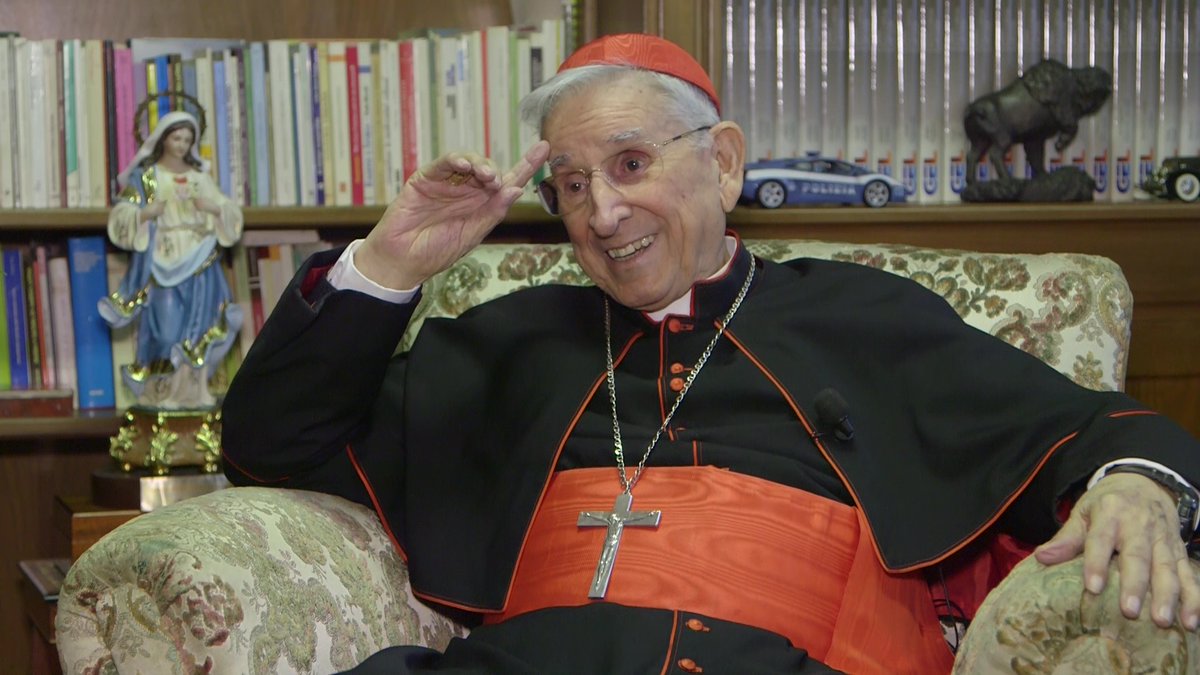
"I don’t like, indeed, those views that would like to reduce the traditionalist ‘phenomenon’ to only the celebration of the ancient rite, as if it were a stubborn and nostalgic attachment to the past. ... In reality, what we frequently find is a Christian view of the life of faith and of devotion—shared by so many Catholic families that frequently are enriched by many children—that has special characteristics, and we can mention as examples: a strong sense of belonging to the Mystical Body of Christ, a desire to maintain strong links with the past—that wishes to be seen, not in contrast with the present, but in a line of continuity with the Church—to present the principal teachings of the Faith, a profound desire for spirituality and the sacred, etc.." Cardinal Castrillon Hoyos, interview in ‘The Latin Mass magazine’, May 2004.
Monday, June 25, 2018
A 'fraternal' organisation to Pro Tridentina (Malta)
A new organisation with complementary aims to Pro Tridentina (Malta) was founded some months ago. Pro Malta Christiana, or Maltese Foundation for a Christian Civilisation, is a Voluntary, Non-Profit Making Organisation with Registered Charitable Status.
The present official address Flat 4, Victoria
Mansions, Victoria Junction, Sliema, SLM 1833, Malta, according to Article 2 of the provisional statutes.
According to Article 3, the aim of the Society shall be the promotion and defense
of the ideals and values of Christian Civilisation in Malta. These principles are expounded in the work Revolution and Counter-Revolution
authored by Professor Plinio Correa de Oliveira in 1959.
The Society is committed to promoting and defending:
-
the traditions in Malta and Gozo that give the Maltese Islands their
distinct cultural identity, and which have a foundation in the islands’ heritage
of two thousand years of Christian civilization;
-
the natural and traditional family based on the indissoluble bond of
marriage of one man and one woman in line with the traditional Magisterium of
the Roman Catholic and Apostolic Church;
-
the principle and right of individuals to own property, in consonance
with the teaching of the Catholic Church that private ownership is one of the
pillars of the natural law, with said right having a social function which it
must fulfill in all of its extension.
The Objectives of said organisation are:
To defend and promote, on a national level, the Christian
traditions of the Maltese nation.
To defend and promote, on a national level, the right of
private ownership of property in line with the traditional Magisterium of the
Catholic Church.
To
defend and promote, on a national level, the natural and traditional family,
based on the indissoluble bond of marriage between a man and a woman.
To defend and promote the right to life – understood as the
inalienable right to be born - in the Maltese islands and actively oppose all forms of abortion
and infanticide.
To
provide support and information for all legal groups, entities and other
organizations seeking to enhance and promote the ideals of tradition, family
and property.
To
educate the Maltese populace, thereby raising public awareness on a national
level of the importance of promoting, fostering and defending the ideals of
Christian Civilization and especially those ideals relating to tradition,
family and property.
To perform works of charity and philanthropy in line with the
Society/Foundation’s commitment to the perennial ideals of Christian Civilization
by disseminating publications, religious objects and miscellaneous articles, and
through other standard works of charity analogous to those practiced by the
Catholic Church over the centuries.
To raise funds for the Society / Foundation by means of donations
of members, supporters, and volunteers or otherwise for all the purposes of the
Society / Foundation through requests
for donations for objects, publications, research and materials distributed,
through public campaigns and specific requests for donations, as well as
through other means of fund-raising that are both authorized by the National
Council and consonant with the Society’s / Foundation’s status as a voluntary,
non-profit making organization with registered charity status in Malta.
To
promote and present the interests of the Society / Foundation and of its members
to the notice of local administration and authorities, international Organisations
and other authorities.
To enhance the level of
cultural attainment in Malta among its members, supporters, donors and volunteers and among the general populace through
the holding of cultural public manifestations that are inspired by the
traditional Magisterium of the Catholic Church.
To form part of any national/international Organisation/s
whose aims are similar to that of the Organisation.
To promote, encourage and promote research in the subject areas
of sociology, anthropology, pure and applied science, religious doctrine,
philosophy, theology, ethics and economics, and which relate to the defense and
promotion of the ideals of Christian Civilisation and to publish and disseminate
the results of said research.
To do all that which is ancillary, incidental or conducive to the
attainment of the above objectives.
Pro Tridentina (Malta) wishes all the best to this organisation, led by Pro Tridentina (Malta) founder, Philip Beattie. The co-operation between Pro Malta Christiana and ASPM's Chaplain Canon Nicholas Doublet (former member of Pro Tridentina (Malta) is also a step in the right direction.
Thursday, June 14, 2018
Quotes to reflect upon (16)
"The People of God need to see priests and deacons behave in a way that is full of reverence and dignity, in order to help them to penetrate invisible things without unnecessary words or explanations. In the Roman Missal of Saint Pius V, as in several Eastern liturgies, there are very beautiful prayers through which the priest expresses the most profound sense of humility and reverence before the Sacred Mysteries: they reveal the very substance of the Liturgy."
Saint Pope John Paul II, Address to the Plenary Session of the Congregation for Divine Worship and the Discipline of the Sacraments, 21 September, 2001
Monday, June 4, 2018
Quotes to reflect upon (15)
"…out of reverence towards this Sacrament, nothing touches it, but what is consecrated; hence the corporal and the chalice are consecrated, and likewise the priest’s hands, for touching this Sacrament. Hence, it is not lawful for anyone else to touch it except from necessity, for instance, if it were to fall upon the ground, or else in some other case of urgency."
St Thomas Aquinas Summa Theologiae, IIIa Q82 a3 c
This quote is cited in an official statement of the Office for the Liturgical Celebrations of the Supreme Pontiff.
Wednesday, May 23, 2018
Mark Montebello fuq li tkun Tridentin
| Fr Mark Montebello OP u l-Arċisqof Charles J. Scicluna (Ritratt: Net News) |
F'dawn l-aħħar ġranet reġgħet qamet kontroversja dwar Fr Mark Montebello. Mingħajr ma nidħlu fuq il-mertu ta' din id-diskussjoni, fil-passat dan il-Blog kien diġa' ppubblika artiklu negattiv minn dan il-patri dwar ir-Rit Tridentin. Illum nerġgħu nagħtu ħarsa lejn kif jaħsibha Montebello dwar dak kollu li għandu x'jaqsam mal-Konċilju ta' Trentu. Dawn l-artikli kienu ppubblikati 3 snin ilu hawn u hawn minn Montebello nnifsu.
Ekkleżjoloġija Fqira
Spiss għedt (u nerġa’ ngħid għal min irid jisma’) li l-għeruq tal-irrelevanza li l-Knisja Kattolika f’Malta u Għawdex qiegħda ġġarrab dejjem aktar jinsabu fil-faqar tal-viżjoni ekkleżjoloġika u antropoloġika tagħha. Għalkemm dawn huma oqsma duttrinali, jinfluwixxu ħafna fuq l-operat ekkleżjastiku.
Fi ftit kliem, l-antropoloġija tiġbor fi ħdanha t-teoriji dwar x’inhu l-bniedem: x’jagħmlu kuntent; x’inhu li jroddlu sens f’ħajtu; x’pożizzjoni għandu fid-dinja u fil-fasla ekonomika u politika, u ħwejjeġ bħal dawn. L-ekkleżjoloġija tiġbor it-teoriji dwar x’inhi l-Knisja: minn xiex hi magħmula; għalfejn teżisti; lejn xiex trid twassal il-ħidma tagħha, u ħwejjeġ bħal dawn.
Għalkemm iż-żewġ oqsma huma distinti minn xulxin, huma mhux biss relatati mill-qrib, imma ħafna mit-tieni qasam jiddependi fuq dak li jinħaseb fl-ewwel wieħed. Hawnhekk, illum, se nitħaddet biss dwar it-tieni qasam f’rabta mal-Knisja lokali. Darba oħra, nitħaddet dwar il-qasam l-ieħor.
Ekkleżjoloġija Tridentina
Nibda biex insostni b’konvinzjoni informata li l-ekkleżjoloġija li jħaddnu l-biċċa l-kbira tal-Kattoliċi Maltin u Għawdxin (pastoralment attivi u mhux; kjeriċi u lajċi) hija Tridentina. Dan ifisser li l-kunċett bażiku tagħhom ta’ x’inhi l-Knisja huwa dak imnebbaħ mill-Konċilju ta’ Trentu (tas-seklu 16). Mhuwiex, għandi nżid, kunċett imnebbaħ, kif għandu jkun, mill-Konċilju Vatikan II (seklu 20).
Dan il-kunċett Tridentin jistħajjel Knisja li hija armata f’taqbida mqaddsa b’armi spiritwali daqskemm materjali; armata li hi soċjetà magħluqa mikduda bil-ħsieb tal-fruntieri; armata b’regoli fissi, imfassla f’għamla piramidika, b’ideoloġija monolotika u b’perspettiva operattiva ta’ ‘aħna’ u ‘huma’. Hija Knisja b’filosofija ta’ esklussività.
F’kuntrast, l-ekkleżjoloġija tal-Konċilju Vatikan II tistħajjel Knisja li hija poplu f’mixja; poplu li qiegħed dejjem jitgħallem u jikber spiritwalment daqskemm umanament; poplu fi ħbiberija ma’ kull sinjal ta’ tjieba u grazzja; poplu ta’ ħbieb u msieħba, b’ideoloġija diversifikata u b’perspettiva operattiva ta’ kooperazzjoni u għajnuna mutwa. Hija Knisja b’filosofija ta’ inklużjoni.
Il-faqar ekkleżjoloġiku
Qrajt għal darba oħra dan l-aħħar (u nisma’ spiss lil min jirrepetiha, ukoll nies bravi, biex ma nsemmix bosta soċerdoti) li l-Knisja hi għamla ta’ partit politiku. Xi wħud jaslu biex jgħidu li hi għamla ta’ trajdunjin, klabb tal-futbol jew saħansitra każin tal-banda. Dawn huma eżempji tajba tal-ekkleżjoloġija Tridentina u tal-faqar ekkleżjoloġiku.
Iżda l-punt ewlieni tiegħi hawnhekk mhuwiex x’ekkleżjoloġija jistħajlu dawn in-nies, daqskemm l-anakroniżmu tagħhom. U l-inkwiet veru jibda meta tqis kemm Kattoliċi (u mhux) f’Malta u Għawdex iħaddnu din l-ekkleżjoloġija. L-inkwiet ikompli meta wieħed iqis li l-mexxejja klerikali nfushom għandhom jippropagaw sallum din is-sura ta’ ekkleżjoloġija, jekk mhux espliċitament fit-teorija għallanqas impliċitament fil-prattika.
Għal dawn in-nies kollha—li, nissusspetta b’sogħba, isawru l-biċċa l-kbira tal-Kattoliċi Maltin u Għawdxin—il-Konċilju Vatikan II seta’ ma sar xejn. Tridentini kienu u Tridentini għadhom. Biex jilmaħ dan, biżżejjed wieħed jagħti titwila mqar ħafifa lejn it-teoloġija (rudimentali) li jgħallem il-kleru, l-istil (paternalistiku) ta’ ħidma parrokkjali, is-sura (barokka) tal-liturġija u sa l-arti (trijonfalistika) fil-knejjes. Malajr jintebaħ li l-135,000 kelma ta’ Vatikan II kienu bżieq moħli.
Abbandun meħtieġ
Il-punt prattiku hu dan: qabel ma l-Knisja Kattolika fil-gżejjer Maltin tabbanduna l-apparat katidratiku tal-ekkleżjoloġija Tridentina li tħaddan kurrentement ma tista’ qatt tkun ferħ u tama, omm u għalliema, jew dawl fid-dinja tallum. Hija ineżorabbilment ikkundannata għall-irrelevanza u, fl-aħħar mill-aħħar, għall-estinzjoni relattiva.
Knisja Kattolika Tridentina ma tistax tissopravivi fid-dinja tallum. Naf perfettament li hu mill-aktar diffiċli li l-ekkleżjoloġija tal-Konċilju Vatikan II tiġi tradotta fi strutturi u fasliet relattivi konkreti. Iżda dan ikun impossibbli mingħajr ir-rieda ‘politika’ (jew amministrattiva) serja u konvinċenti sabiex jibda jseħħ. Minkejja l-paroli li jsir, din ir-rieda sempliċiment ma narahiex.
Nifhem li l-kankru ta’ ekkleżjoloġija fqira mhuwiex faċli li timmansah jew tasal biex ixxejnu. Huwa kankru mifrux f’kull fibra tal-ġisem. Biex jibda jċedi jeħtieġ kirugi qalbiena daqskemm għorrief u għaqlija, b’idejn sodi u b’determinazzjoni tal-ħadid.
Il-ħsad huwa kbir, iżda l-ħaddiema dgħajfa.
Antropoloġija Ifqar
Fi żmienna, ekkleżjoloġija maħsuba b’fasla mentali legalista (Tridentina) hi anakronista daqs maħsuba b’fasla oġġettivista, jiġifieri bħala oġġett, aktar milli suġġett. Ekkleżjoloġija bħal din dak li tagħmel: tqis lill-bniedem bħala oġġett ta’ liġijiet stabbiliti u duttrini immutabbli, u ma tevalwax biżżejjed is-siwi ta’ kull bniedem fih innifsu. Dan jintwera f’diversi deċiżjonijiet ta’ natura proċedurali, etika u morali li jittieħdu minn min iħaddanha.
Antropoloġija suġġettivistika
Antropoloġija suġġettivistika (jew personalistika, jekk trid) hija dik żviluppata filosofikament u teoloġikament wara r-riflessjonijiet ta’ Immanuel Kant (fis-seklu 18). Flimkien ma’ dak spiritwali, (ontoloġikament) hija tagħti siwi qawwi lill-qasam materjali tal-bniedem. Twieżnu mhux sempliċiment bħala duwalità (ta’ ġisem u ruħ), imma fit-totalità tiegħu (b’mod sħiħ jew ħolistiku).
Hija antropoloġija li (mil-lat soċjoloġiku) ma tqisx lill-bnedmin sempliċiment bħala għamliet differenti ta’ forma waħda, b’mod xi ftit jew wisq sterjotipiku. Kull bniedem, bħala suġġett individwali, hu uniku u irrepetibbli; għandu l-kwalitajiet distinti u speċifiċi tiegħu; jistħoqqlu attenzjoni singula u separata. F’dan is-sens, is-soċjetà—kull soċjetà, inkluż il-Knisja—mhijiex primarjament kollettività daqskemm unità ta’ individwi.
Antropoloġija suġġettivistika ma tqis lill-bniedem bħala l-quċċata tal-ħolqien u, għaldaqstant, sid tal-ħolqien (inkluż tal-annimali l-oħra u tal-ambjent naturali). Tqisu, pjuttost, bħala parti mill-ħolqien; bħala ħlieqa li, bħall-ferħ tagħha (u fi sħubija mal-pjan divin), trid tgħix f’armonija mal-ħolqien f’rispett sħiħ mal-fasla naturali.
Il-preżenza tal-grazzja
Mil-lat politiku, din l-antropoloġija suġġettivistika ma tqis lill-bniedem bħala riċevitur tal-ħidma tal-istituzzjonijiet, imma, pjuttost, bħala parteċipant primarju fihom. Fi kliem differenti, minn dan il-lat il-bniedem mhuwiex oġġett li jobdi u jsegwi, imma suġġett li jikkontribwixxi u joħloq.
Fl-aspett spiritwali tagħha, antropoloġija bħal din ma tistħajjilx ferq nett bejn ir-reliġjuż u s-sekulari; bejn is-sagru u l-profan. B’applikazzjoni tat-twemmin (nisrani) tal-Inkarnazzjoni divina, hija tilmaħ għaqda sħiħa bejn it-tnejn. Xejn ma hu irreliġjuż, għajr id-dnub, u xejn ma hu sagru biss. Is-sagru hu sekulari, u s-sekulari sagru.
Dan jgħodd għal kull aspett tal-ħajja naturali u, partikularment, għall-ħajja umana, inkluż l-imħabba, ir-relazzjonijiet inter-personali u inter-suġġettivistiċi, ix-xogħol manwali, il-ħidma pubblika u l-bqija. Tradotta teoloġikament, din timplika li l-grazzja divina mhijiex xi ħaġa tar-ruħ biss, imma wkoll tal-ġisem; mhijiex marbuta ma’ dak li hu reliġjuż jew spiritwali biss, imma wkoll ma’ kull ħidma u sentiment uman.
Rieda għat-tiġdid
Antropoloġija oġġettivistika li tirriżulta minn kunċett ekkleżjoloġiku Tridentin ma tistax twieżen biżżejjed, la l-ekonomija tas-salvazzjoni (għax tirrendiha għal proċess sempliċiment legalistiku u mekkaniku), u lanqas is-siwi tal-esperjenza rikka umana fil-varjetà kollha tagħha. Għaldaqstant, tiċħad li tirrikonoxxi l-preżenza tal-grazzja divina f’oqsma li hi tqis purament sekulari jew profani.
B’hekk issir aktar arma ta’ esklużjoni milli għodda ta’ inklużjoni u parteċipazzjoni, bħalma, proprjament, għandha tkun il-Knisja f’xebh ma’ Ġesù, ir-ras u l-ġisem tagħha. Issir aktar arma ta’ firda u ta’ telfien milli għodda ta’ unifikazzjoni u ta’ redenzjoni.
Biex nagħlaq dan li fissirt fi ftit kliem ta’ malajr, jekk il-Knisja fil-gżejjer Maltin tista’ xi darba tkun f’pożizzjoni li ġġedded lilha nnifisha, jeħteġilha—bil-grazzja ta’ Alla u bir-rieda ta’ min imexxiha—tieħu l-inkarigu impellattiv li tirrevedi serjament u profondament l-ekkleżjoloġija u l-antropoloġija li tħaddan (l-ewwel nett fil-kleru tagħha).
Jekk dan ma jsirx, tkun qed tagħmilha prattikment impossibbli għaliha nnifisha li timxi mal-pass tad-dinja moderna. Mhijiex, għaldaqstant, kwestjoni li tibdel xi duttrina tagħha—xejn minn dan—imma li tevalwa l-istess duttrina b’mod ieħor, f’sinkronija mal-ħsieb u l-esperjenza tal-bniedem tallum.
Tuesday, May 22, 2018
In memoriam: Cardinal Dario Castrillon Hoyos

It is with sadness that we announce the death of Cardinal Dario Castrillón Hoyos, Prefect Emeritus of the Congregation for the Clergy, who died on 18 May 2018. The Cardinal was a personal friend of former Pro Tridentina (Malta), Godwin Xuereb. The two had also met in 2011 and discussed the then situation of the traditional liturgy in Malta.
Below is a ZENIT translation of the telegram sent by Pope Francis.
H.E. Lord Cardinal Angelo Sodano
Dean of the College of Cardinals
Vatican City
I learnt the news of the demise of dear Cardinal Dario Castrillon Hoyos, and I wish to express my sentiments of condolence to the College of Cardinals, to the relatives and to those who esteemed the late Cardinal, remembering with a grateful spirit his generous service to the Church, especially his precious service given to the Holy See, particularly as Prefect of the Congregation for the Clergy and President of the Ecclesia Dei Pontifical Commission, and I raise fervent intercessory prayers to the Lord so that, through the intercession of the Virgin Mary, He will receive him in eternal joy and peace, and I send the Apostolic Blessing to all those who share the grief over the death of such a meritorious servant of the Gospel.
Franciscus PP.
© Libreria Editrice Vatican
Monday, May 14, 2018
Mass in the Extraordinary Form in Paola
We are pleased to announce that another Mass in the Extraordinary Form of the Roman Rite will be celebrated in the southern part of Malta.
Date: Monday 28 May 2018 at 18.30
Venue: St. Ubaldesca Church in Paola.
Friday, May 4, 2018
Quotes to reflect upon (14)
.bmp)
"In view of the state of the Church as a whole today, this manner of distributing Holy Communion must be observed, not only because it rests upon a tradition of many centuries but especially because it is a sign of the reverence of the faithful toward the Eucharist. The practice in no way detracts from the personal dignity of those who approach this great Sacrament and it is a part of the preparation needed for the most fruitful reception of the Lord’s body. This reverence is a sign of Holy Communion not in “common bread and drink”but in the Body and Blood of the Lord.
…
In addition, this manner of communicating, which is now to be considered as prescribed by custom, gives more effective assurance that Holy Communion will be distributed with the appropriate reverence, decorum, and dignity; that any danger of profaning the Eucharistic species, in which “the whole and entire Christ, God and man, is substantially contained and permanently present in a unique way,” will be avoided; and finally that the diligent care which the Church has always commended for the very fragments of the consecrated bread will be maintained: “If you have allowed anything to be lost, consider this a lessening of your own members.”
Memoriale Domini (29 May 1969), the Instruction on the Manner of Administering Holy Communion issued by the Congregation for Divine Worship and deploring Communion in the Hand.
Wednesday, April 25, 2018
Friday, April 20, 2018
Lithuanian Pilgrims' experience in Malta
A couple of Lithuanian pilgrims, Vita and Darius Andziulė, visited Malta and expressed their wish to attend Mass in the Extraordinary Form. This platform informed them about Mass in Birkirkara and they attend Mass there on 21 January 2018. They shared their experience with us and we are now sharing it with our readers, as agreed with our Lithuanian friends. (Note: minor editing from us)
"Oh, yes, we’ve been there in Birkirkara the Sunday before (21st of January). It was so nice experience to be there, we were really inspired about the homily! Actually, that’s one of the best things about the Traditional Mass - it’s the same familiar order everywhere, and we felt like home:)To be honest, only one thing we find not so nice - it was chanting. It’s a pity that chants are only one man thing - we usually have schola cantorum there in Lithuania. So we like to hear calm, semi-professional schola chanting this best liturgical music - Gregorian chant. And it’s not the problem to chant alone, but I really like when chants flows, but the last Sunday in Malta it was a little bit struggling somehow...But, we have the best memories about Malta, and it’s absolutely fantastic that you have TLM there!"
Subscribe to:
Posts (Atom)